





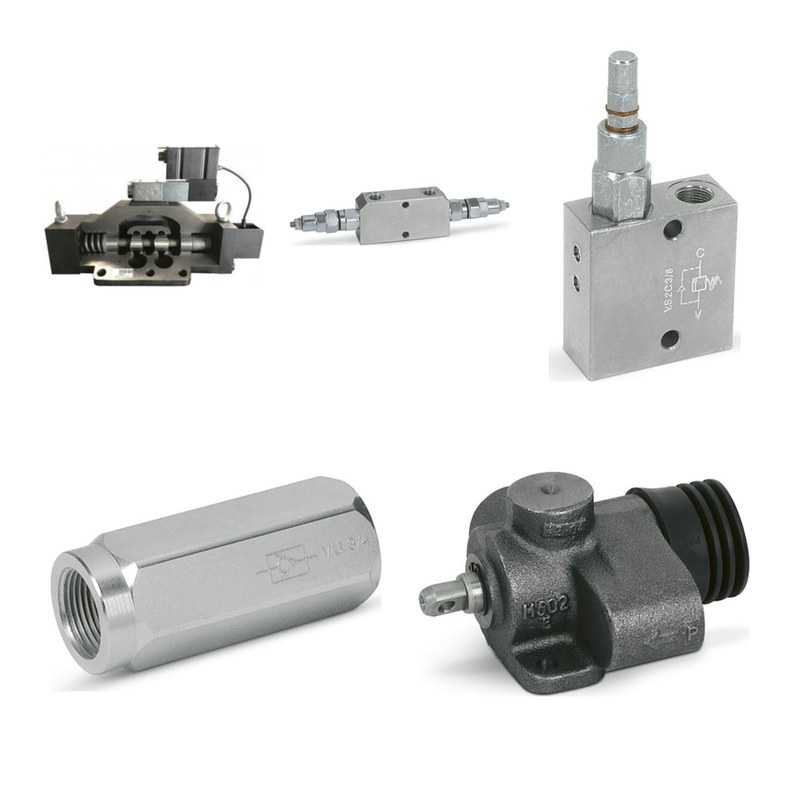



Need to replace a hydraulic valve or choose a new one for your equipment? The choice depends on the function you need, the type of mounting, the electrical characteristics and the operating conditions. This guide explains the main criteria for identifying the right valve.
1. What it must do
| You want to… | Valve | In our shop |
|---|---|---|
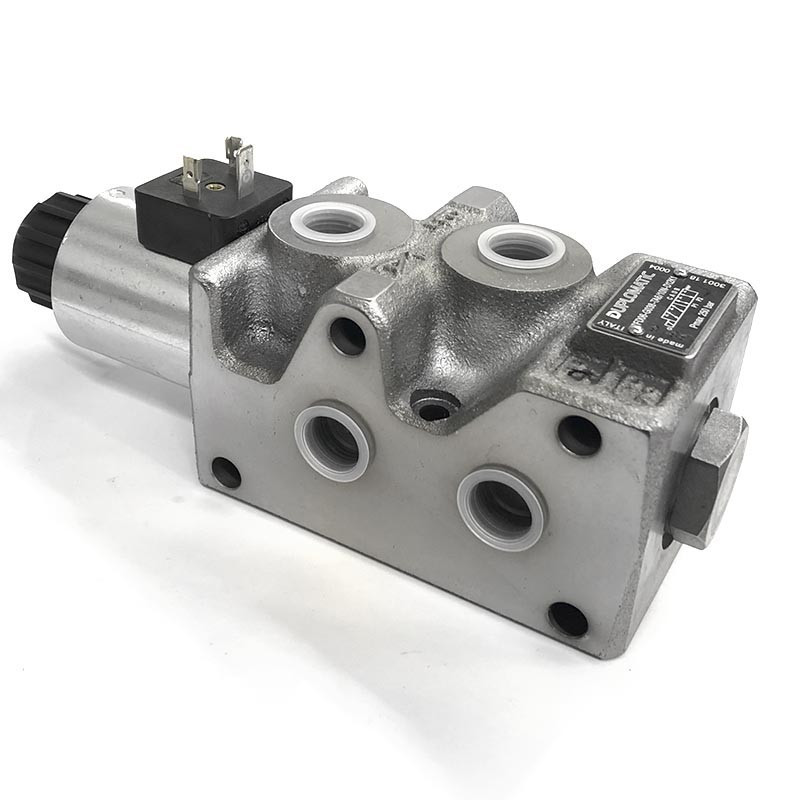
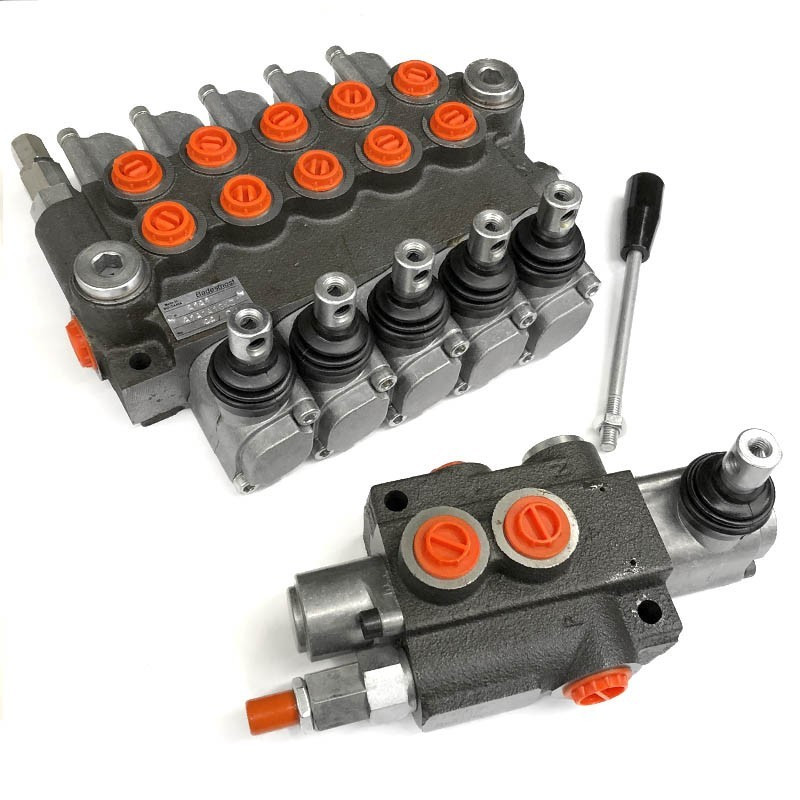
| Choose the direction of movement of a cylinder or a motor | Directional valve | NG6 (CETOP 3), NG10 (CETOP 5), Monoblock valves |
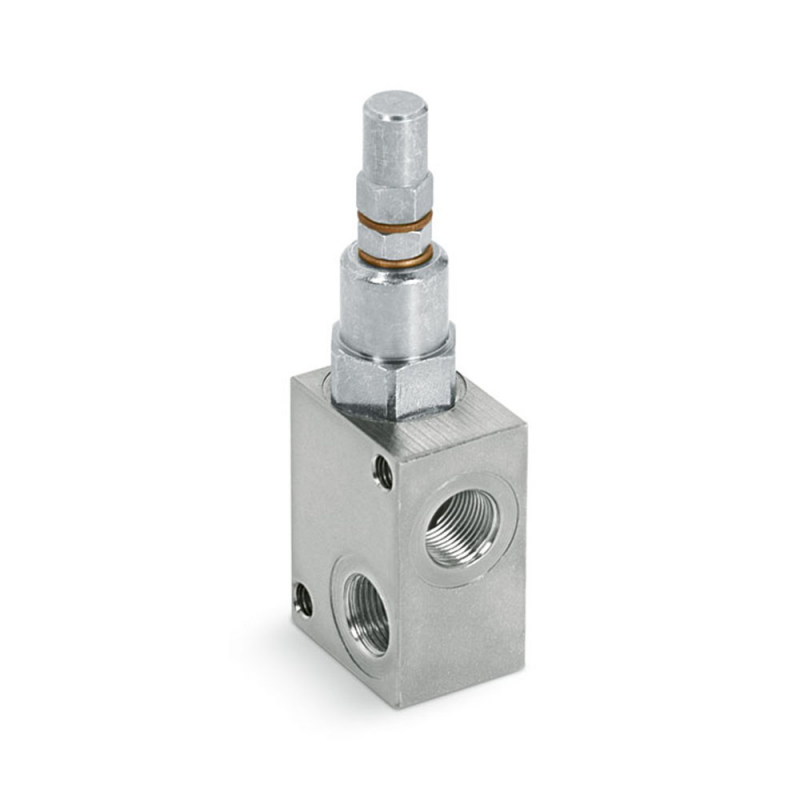
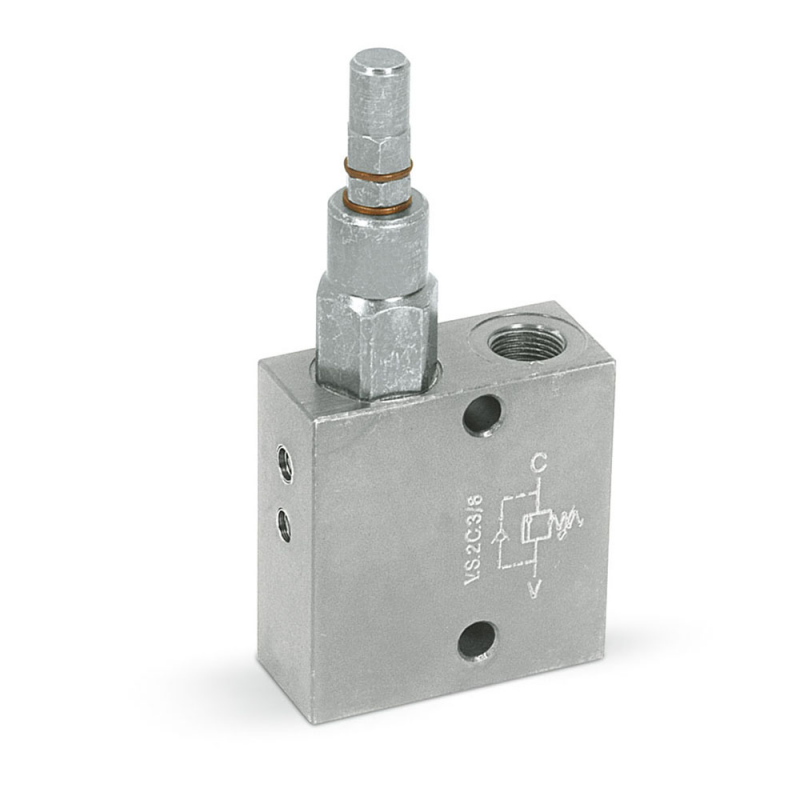
| Limit the maximum pressure and protect the circuit against overpressure | Pressure relief valve, fitted in parallel | Relief valves |
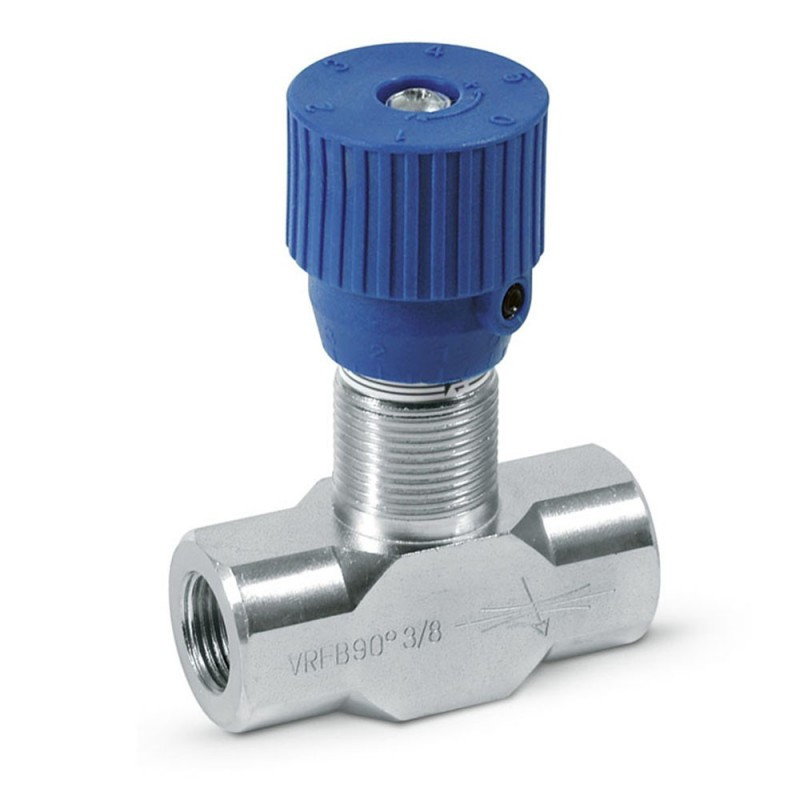
| Set the speed | Flow control valve or restrictor | Flow control valves, Restrictors |
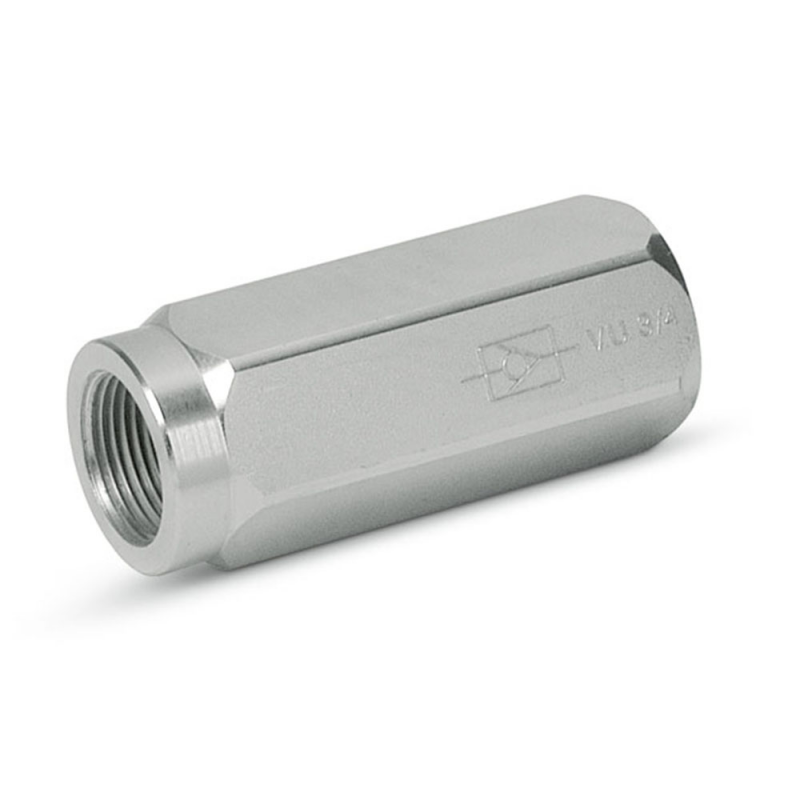
| Let oil through in one direction and stop it flowing back | Check valve, simple or pilot-operated | Check valves |
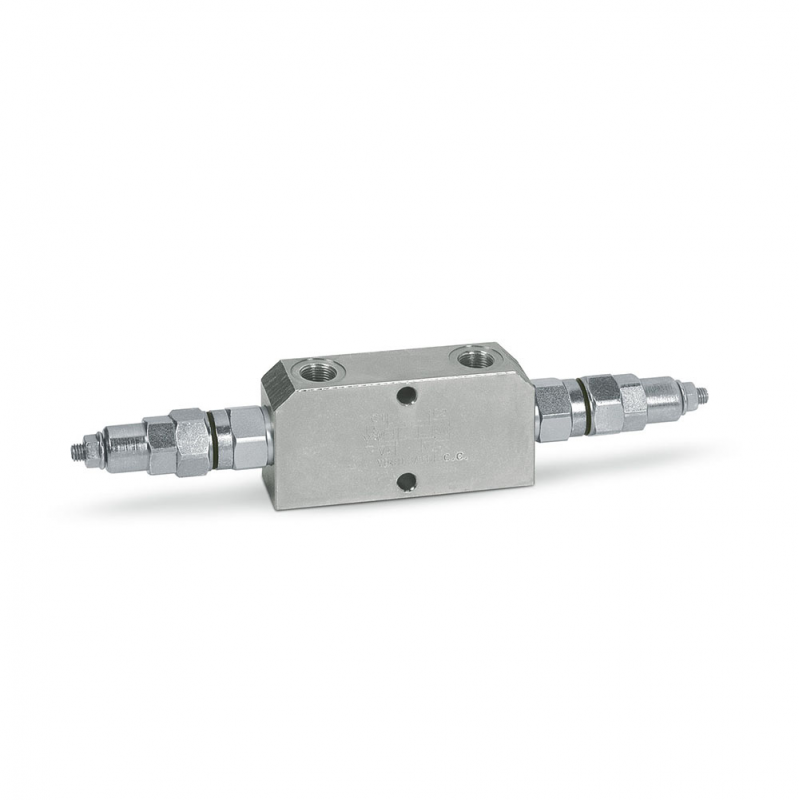
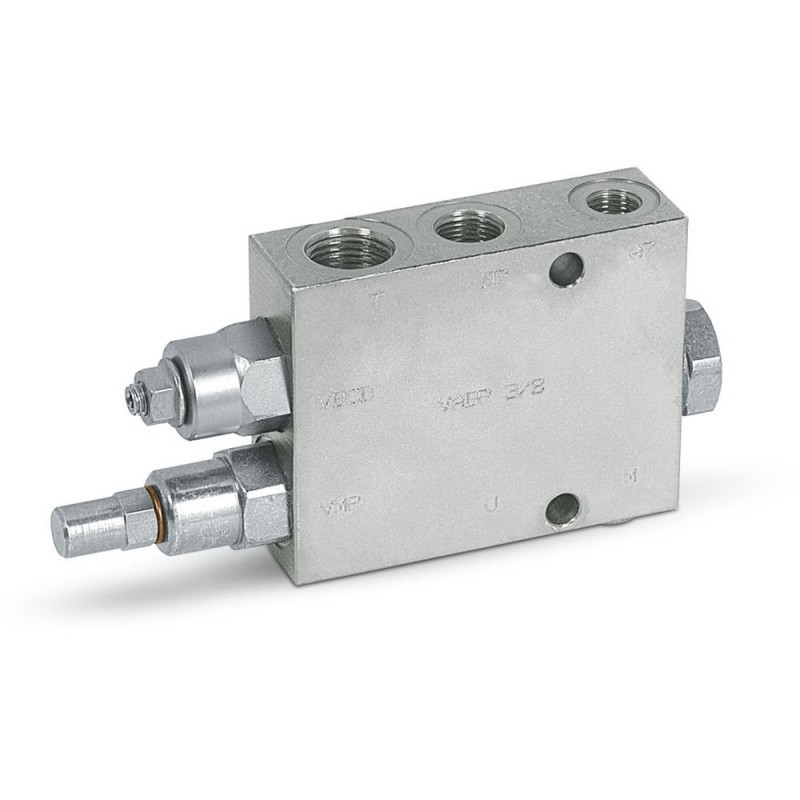
| Control lowering and hold a suspended load | Overcentre (counterbalance) valve | Overcentre valves |
| Bring in a second actuator only when the pressure reaches the set value | Sequence valve | Sequence valves |
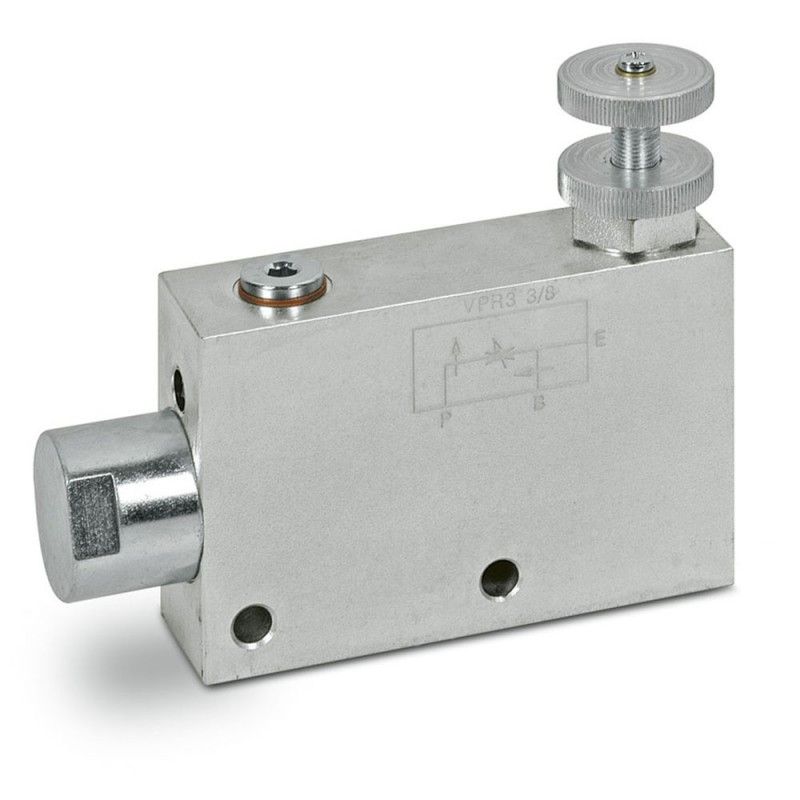
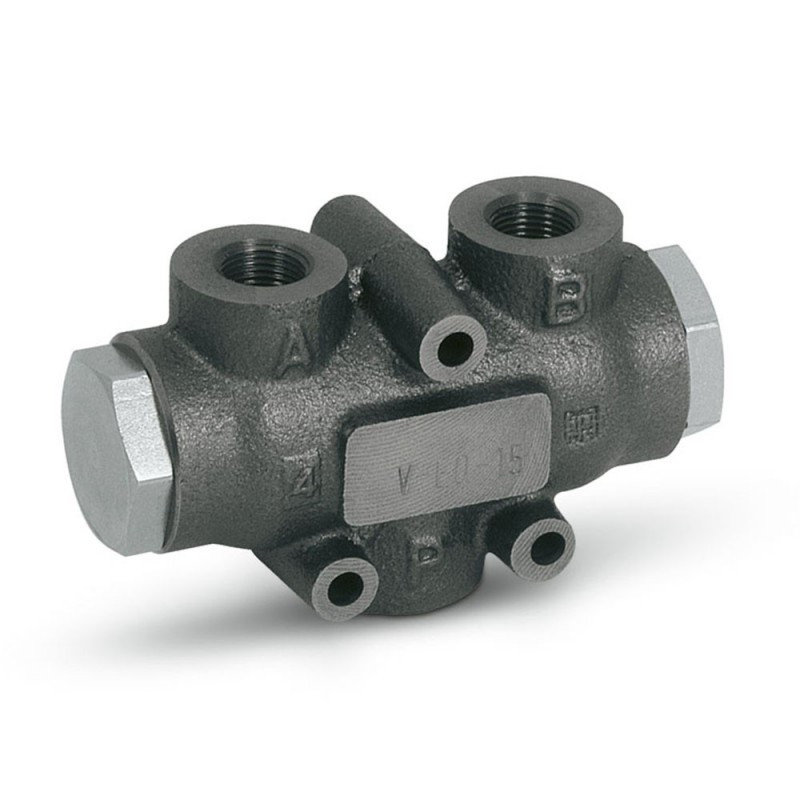
| Split the flow between two branches | Flow divider | Flow dividers |
Simple or pilot-operated check valve: lets oil through in one direction and stops it flowing back in the other. Pilot-operated versions can open the blocked flow with a pilot pressure, and are used in some cylinder-locking applications. A pilot-operated check valve does not replace an overcentre valve.
Restrictor or flow control valve? In a simple restrictor, the flow changes with the pressure difference and the oil viscosity. A pressure-compensated flow control valve keeps the flow approximately constant even when the load varies, as long as it works within the limits set by the manufacturer.
2. How it is mounted
- Subplate mounted (CETOP). The designations CETOP 3, NG6, ISO 4401-03 and NFPA D03 identify equivalent standardised mounting interfaces; the same applies to CETOP 5, NG10, ISO 4401-05 and NFPA D05. So valves from different manufacturers can use the same subplate. However, to replace a valve you must also confirm the spool, flow, pressure and electrical characteristics. In our shop: NG6 (CETOP 3) and NG10 (CETOP 5).
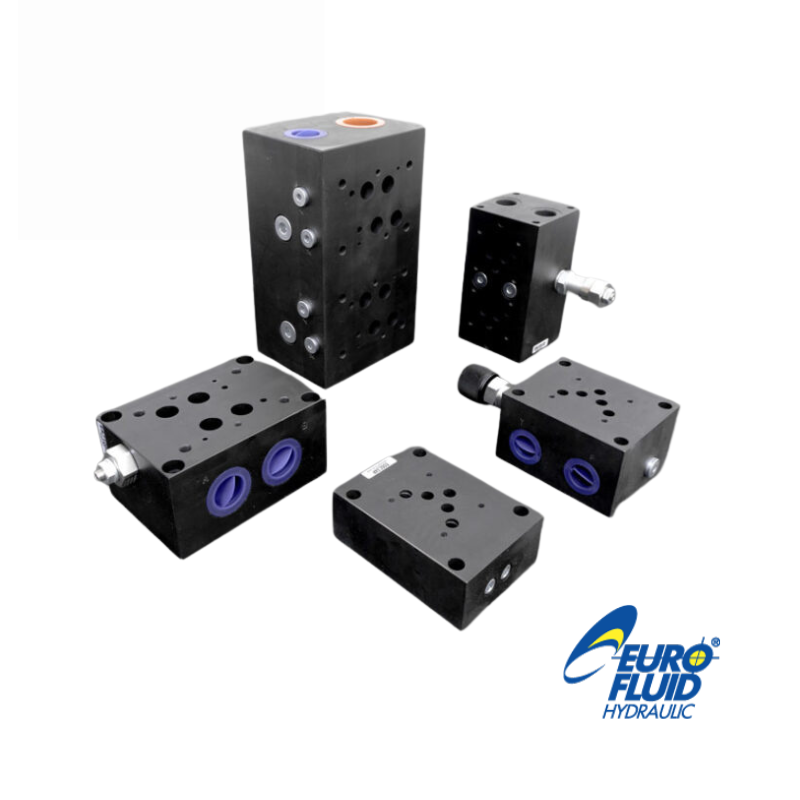
- Cartridge. Fitted directly into machined cavities in hydraulic manifolds. To choose or replace a cartridge, confirm the reference and the exact cavity geometry, the number of ports, the hydraulic function, and the permitted flow and pressure. A size such as 08 or 10 does not by itself guarantee compatibility between manufacturers. In our shop: NEM cartridge valves and Eurofluid manifolds.
- In-line. Fitted directly into the pipe or hose, by thread. See the guide "BSP and NPT threads" to identify the thread.
3. The coil (solenoid valves)
- Check the voltage and whether it is DC or AC. On the Duplomatic DS5, for example, D12 and D24 are 12 V and 24 V DC; A230 is 230 V 50 Hz AC.
- Versions D00 and A00 come without coils; coils are ordered separately. See Coils and Connectors.
- The most common plug is the DIN 43650 connector, now EN 175301-803.
- Does the valve have a coil with the wrong voltage? In many cases it can be replaced by a compatible coil without changing the whole valve. However, you must confirm the model, voltage, type of current (AC/DC), power and electrical connection. Changing between AC and DC versions may require additional components. Contact us.
4. Spool, flow and pressure
- Spool (symbol). It defines what happens in each position: closed centre, open centre, tandem… The page NG6 / CETOP 3 valve equivalences shows the Duplomatic spool and the matching Vickers, Rexroth, Parker and Atos spools.
- Take care when replacing directional valves: two valves may have the same CETOP pattern and the same centre position but differ in how coils A and B act. Check in the hydraulic diagram which connection is made when each solenoid is energised. A wrong match can reverse the direction of movement of the cylinder or motor.
- Flow. To size the valve, consider the flow through each of its ports, on both the supply and the return. On a differential cylinder, the return flow can be higher than the pump flow, depending on the direction of movement. Also check the manufacturer's pressure drop curves, because the maximum permitted flow does not by itself guarantee correct operation. To size the cylinder, the cylinder calculator gives force and speed.
- Pressure. Confirm the maximum operating pressure of the valve on ports P, A and B, and the permitted pressure on port T (return). These limits may differ and vary with the model or version of the valve. On pilot-operated valves, also check the pilot and drain conditions.
Safety first: before choosing a directional valve, confirm the intended behaviour when electrical or hydraulic supply is lost. In applications with suspended loads, holding the load safely may require overcentre valves or other specific devices; a closed-centre spool is not enough.
Got another brand's reference?
Type the full Vickers, Rexroth, Parker or Argo Hytos reference into the shop search: the equivalent item we have appears, marked "Equivalent to the code searched". Equivalents must be technically confirmed before replacement, especially in critical applications. If nothing comes up, send us the reference.
Sources
- Olaer, technical manual for hydraulic systems.
- Catalogues: Parker D1VW, Vickers DG4V-3, Duplomatic DS3 and DS5, Argo Hytos RPE4-10.
- Hidro Orfão practice.