
- Products
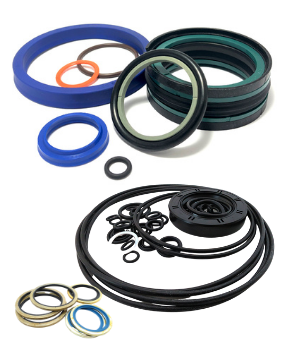
- Hydraulic seals
- Hoses and fittings
- Filtration
- Measurement and sensors
- Valves
- Directional valves
- Proportional valves
- Relief valves
- Check valves
- Counterbalance valves
- Sequence valves
- Pressure reducing valves
- Flow restrictors
- Flow control valves
- Flow dividers
- High-Low Valves
- End-of-stroke valves
- Ball Valves
- Other Valves
- Monoblock and sectional valves
- Coils, connectors and electronics
- NEM - Cartridge valves
- Manifold blocks and subplates
- Pressure intensifiers
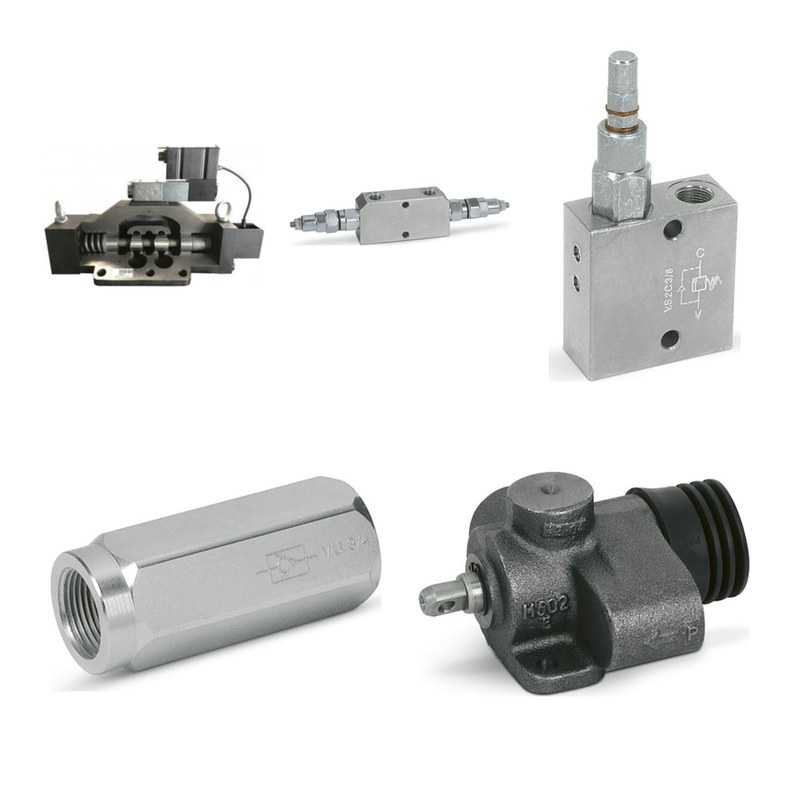
- Hidro Orfão Systems
- Pumps
- Transmission
- Motors
- Accumulators
- Cooling
- Mini power packs
- Crimping machines
- Industrial consumables
- Pneumatics - End of stock
- Push-in fittings
- Brass and compression fittings
- Flow regulators and check valves
- Air treatment
- Coils and connectors
- Directional valves and solenoid valves
- Manual and mechanical valves
- Solenoid valves for fluids
- Silencers
- Pneumatic tubes
- Pneumatic cylinders
- Cylinder accessories
- Cylinder and seal kits
- Panel controls
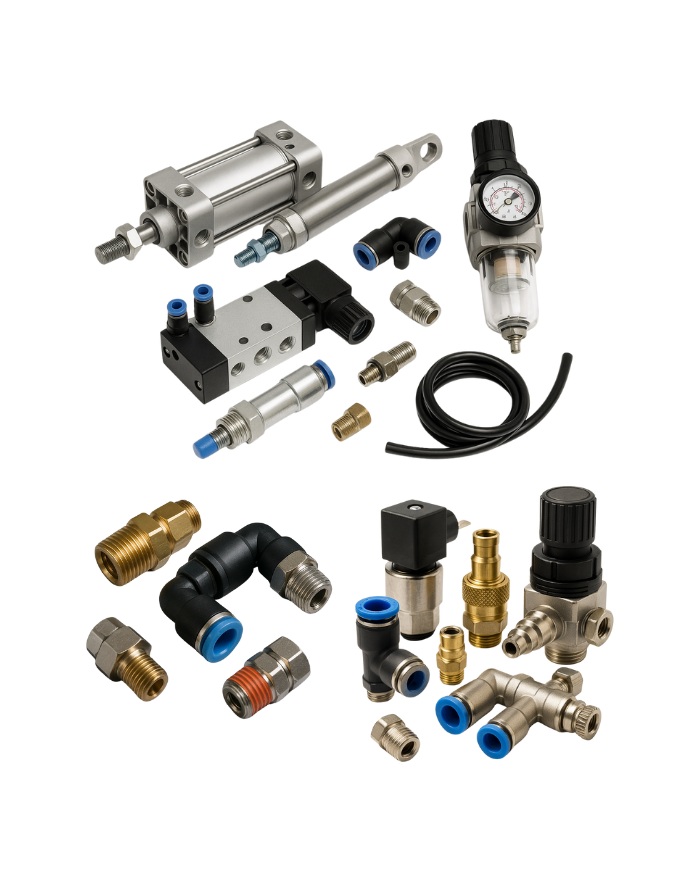
- MEB electric motors
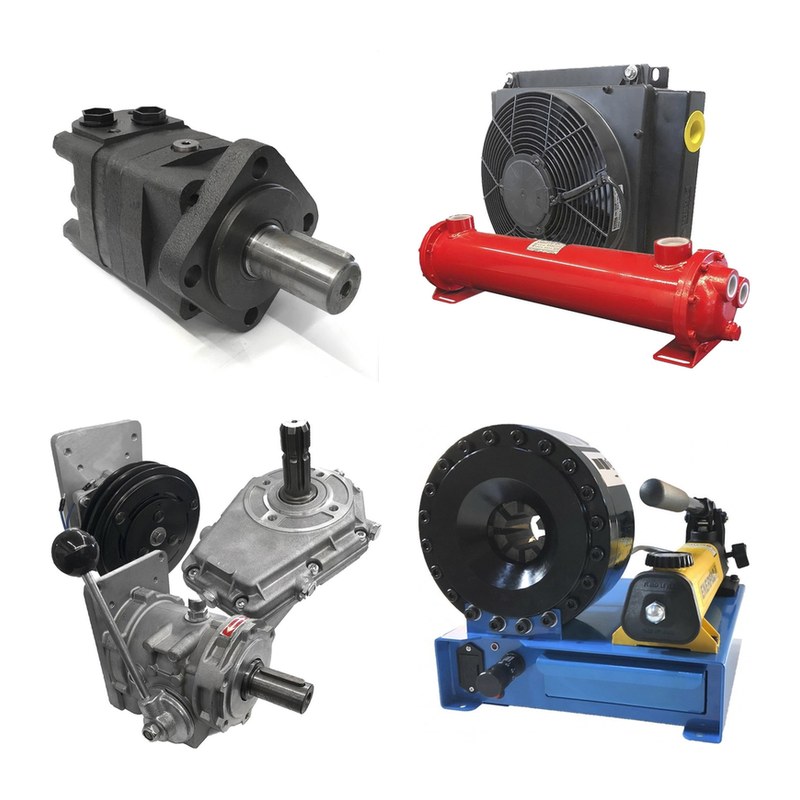
- Brands
- Technical library
- Guided search








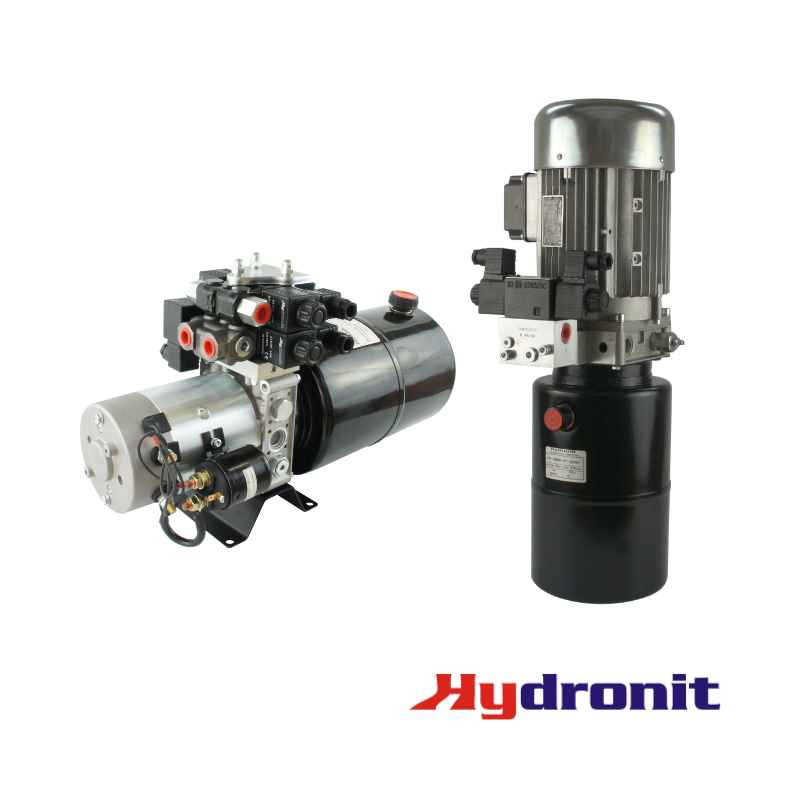
Coils, connectors and electronics
The electrical side of hydraulic valves: coils that operate solenoid valves, connectors and the control electronics for proportional valves. Coils from Duplomatic, Argo-Hytos, NEM, Danfoss and Vickers, in several voltages; DIN 43650 connectors, with or…
Read moreSubcategories
-

Coils
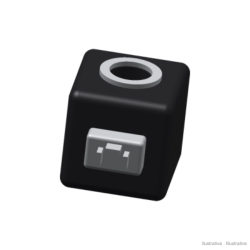
Replacement coils for solenoid valves and cartridge valves: Duplomatic (DS3, DS5, BFD10, DL3), Argo-Hytos (C14B, C19B, C22B), NEM, Danfoss and Vickers (DG4V), in 12 and 24 V DC and other voltages.
The coil is the electrical part that, when energised, pushes the valve spool. When it burns out, the valve stops switching; the coil can be replaced without opening the hydraulic circuit or removing the valve.
How to choose the right coil (check on the old one):
- Voltage and type of current: 12 V DC, 24 V DC, 110 V AC, 230 V AC…;
- Bore: that of the valve tube the coil fits on (for example 19 mm or 22 mm);
- Length and power;
- Connector type: DIN 43650 (form A or B), Deutsch, AMP or cable.
A DC coil can run on an AC supply with a rectifier connector. If the coil burns out again soon after, check the actual voltage at the connector and whether the spool is sticking: a sticking spool makes the coil overheat.
Search by the code marked on the coil or on the valve body.
Technical guide: How to choose a hydraulic valve
-

Connectors
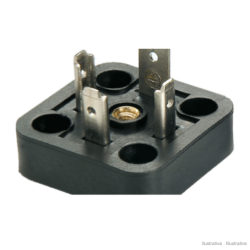
DIN 43650 connectors for solenoid valve coils: universal, with LED, with rectifier, and LED bases, plus an LED connector for pneumatic solenoid valves.
The connector links the cable to the coil and must match the coil pin layout. The LED lights up when the coil is energised, which helps with fault finding. The rectifier connector lets DC coils run on an AC supply. Check the connector form (DIN 43650 form A or B), the voltage and the cable entry.
Technical guide: How to choose a hydraulic valve
-

Electronics and Joysticks
Electric and electronic control for hydraulic valves: joysticks and levers, amplifiers and cards for proportional valves, PWM controllers and control units.
- Scanreco and Fabercom MAP2 and MAP3 joysticks and levers, spring-return or friction-held (they stay where they are released), in industrial and marine versions;
- Duplomatic (EDM) and Argo-Hytos (EWM) amplifiers and cards: pressure and flow control, positioning and synchronisation;
- VPC and VPOL PWM controllers, with 0-10 V or 4-20 mA command;
- STU-PWMI control units with PWM outputs and CAN communication, bases and Deutsch connectors.
On a proportional valve, the electronics turn the signal from the joystick or PLC into a current in the coil, and that current positions the spool. That is why the electronics must suit the valve: maximum coil current, PWM frequency and type of input signal.
To choose, tell us the valve to be controlled (make, model and coil voltage), the available command signal and the number of functions. See also Proportional valves and Coils.

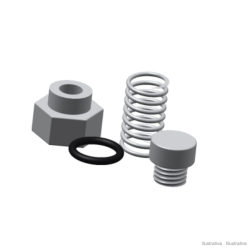


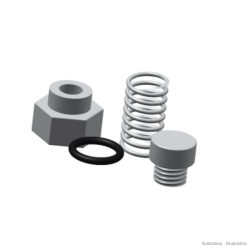


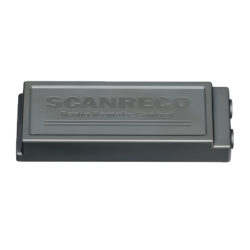


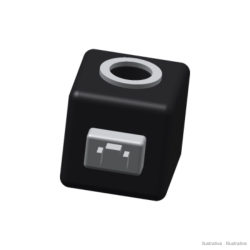


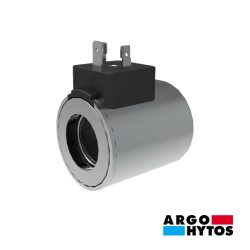
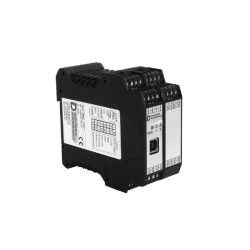

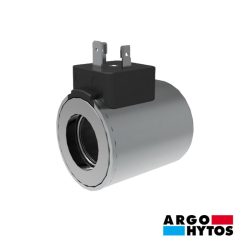
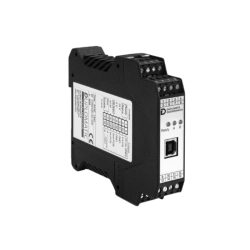

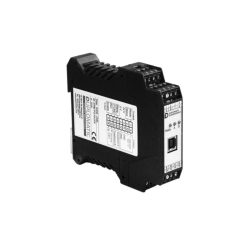
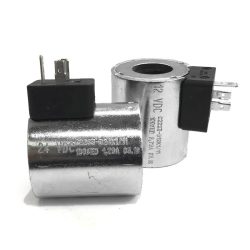
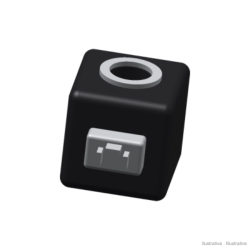

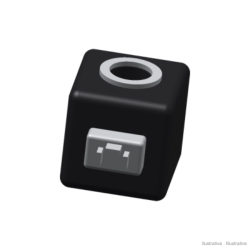

The electrical side of hydraulic valves: coils that operate solenoid valves, connectors and the control electronics for proportional valves.
- Coils from Duplomatic, Argo-Hytos, NEM, Danfoss and Vickers, in several voltages;
- DIN 43650 connectors, with or without LED, and rectifier connectors for running DC coils on an AC supply;
- Electronics and joysticks: amplifiers, control cards, PWM controllers, control units and Scanreco and Fabercom levers.
A burnt-out coil is one of the most common faults on a solenoid valve, and it can be replaced without removing the valve. To choose the right coil, check three things on the old one: the voltage and type of current (for example 24 V DC or 230 V AC), the bore (the valve tube it fits on) and the length. The connector must also be the same type.
On proportional valves, the electronics control the current in the coil and therefore the spool position: the card or amplifier must suit the valve and the command signal (0-10 V, 4-20 mA or PWM).
Technical guide: How to choose a hydraulic valve
Are you an OEM? Reseller? Workshop?