
- Products
- Hydraulic seals
- Hoses and fittings
- Filtration
- Measurement and sensors
- Valves
- Directional valves
- Proportional valves
- Relief valves
- Check valves
- Counterbalance valves
- Sequence valves
- Pressure reducing valves
- Flow restrictors
- Flow control valves
- Flow dividers
- High-Low Valves
- End-of-stroke valves
- Ball Valves
- Other Valves
- Monoblock and sectional valves
- Coils, connectors and electronics
- NEM - Cartridge valves
- Manifold blocks and subplates
- Pressure intensifiers
- Hidro Orfão Systems
- Pumps
- Transmission
- Motors
- Accumulators
- Cooling
- Mini power packs
- Crimping machines
- Industrial consumables
- Pneumatics - End of stock
- Push-in fittings
- Brass and compression fittings
- Flow regulators and check valves
- Air treatment
- Coils and connectors
- Directional valves and solenoid valves
- Manual and mechanical valves
- Solenoid valves for fluids
- Silencers
- Pneumatic tubes
- Pneumatic cylinders
- Cylinder accessories
- Cylinder and seal kits
- Panel controls
- MEB electric motors
- Brands
- Technical library
- Guided search





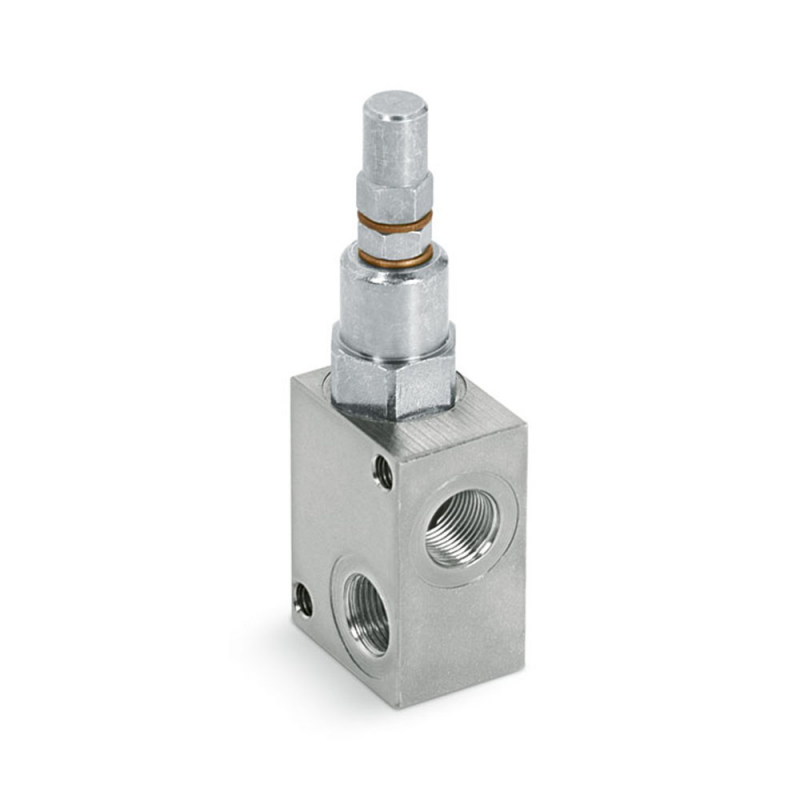
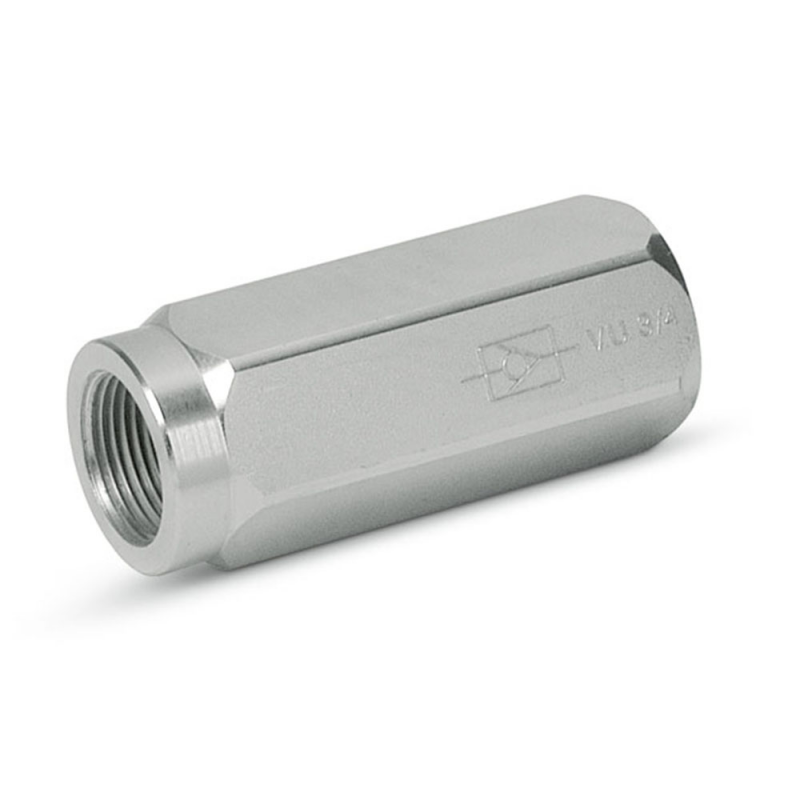
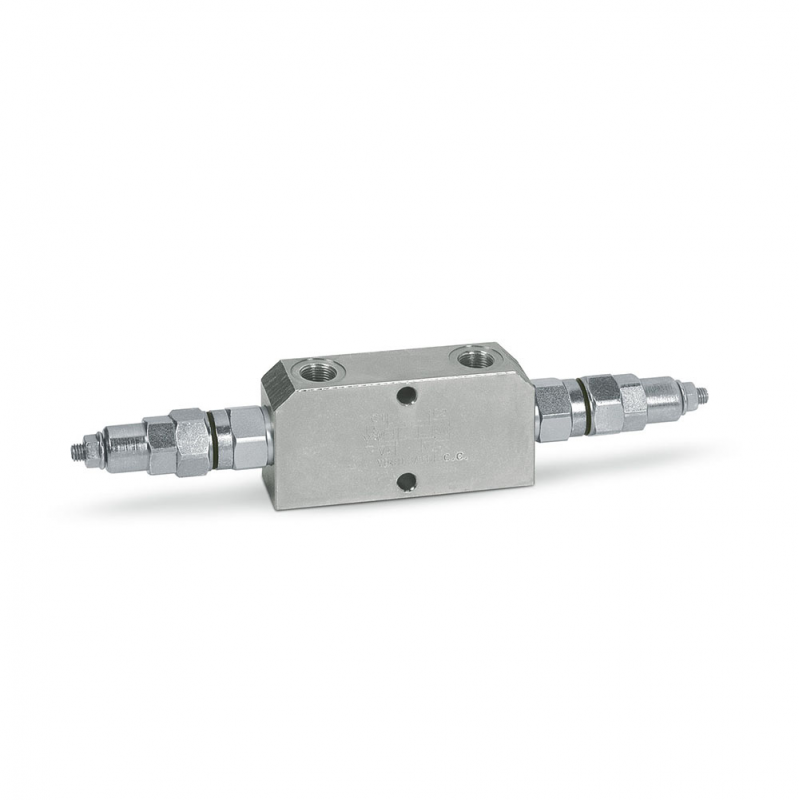
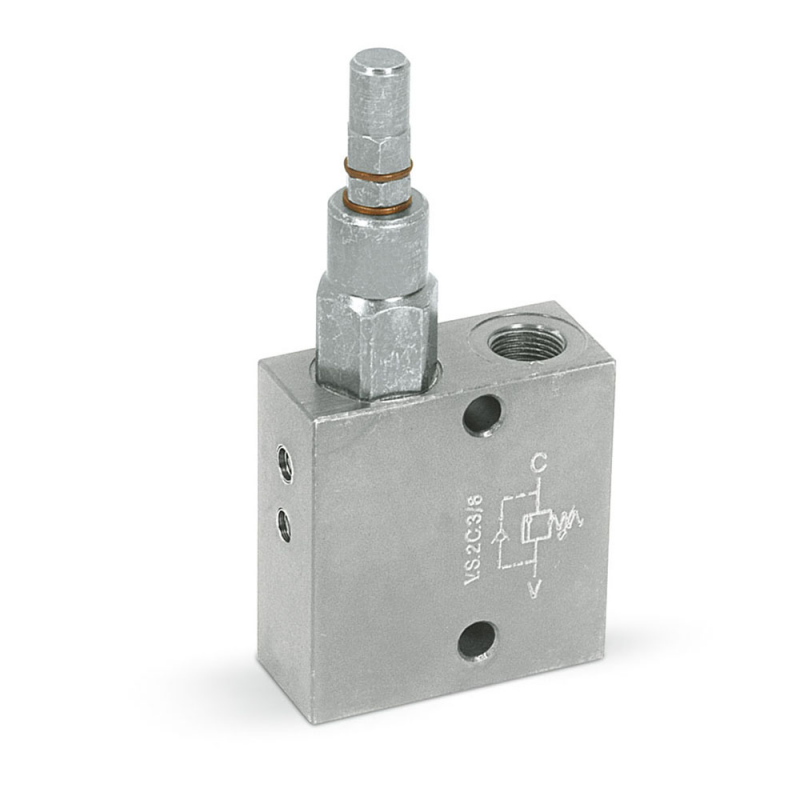
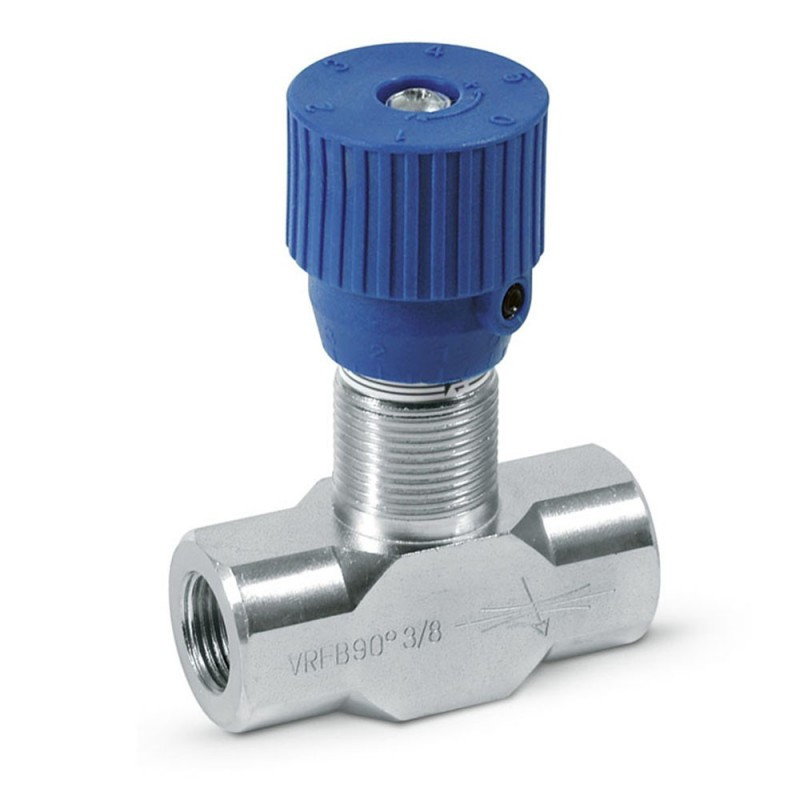
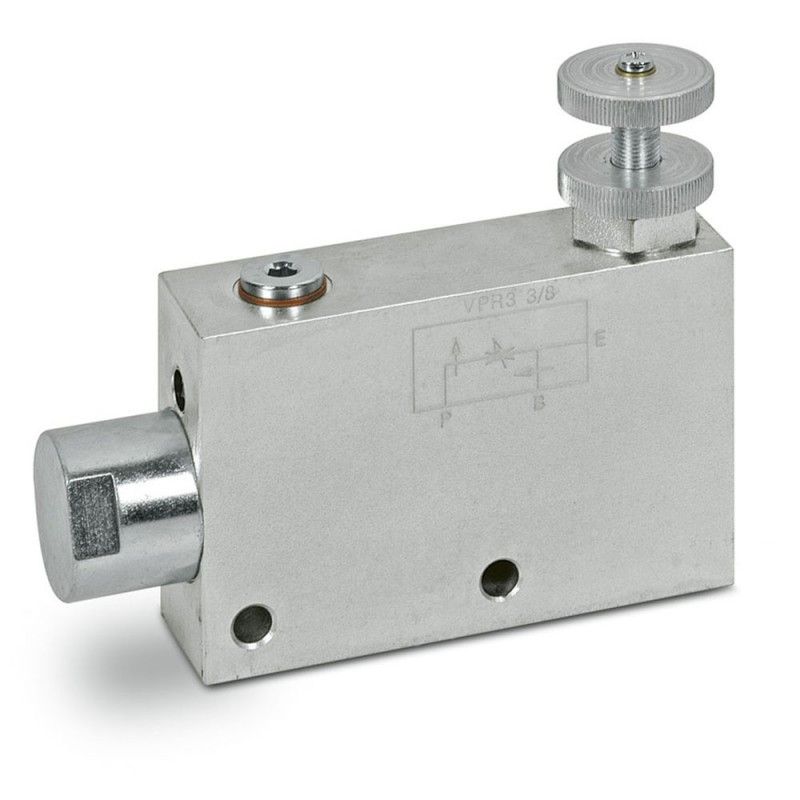
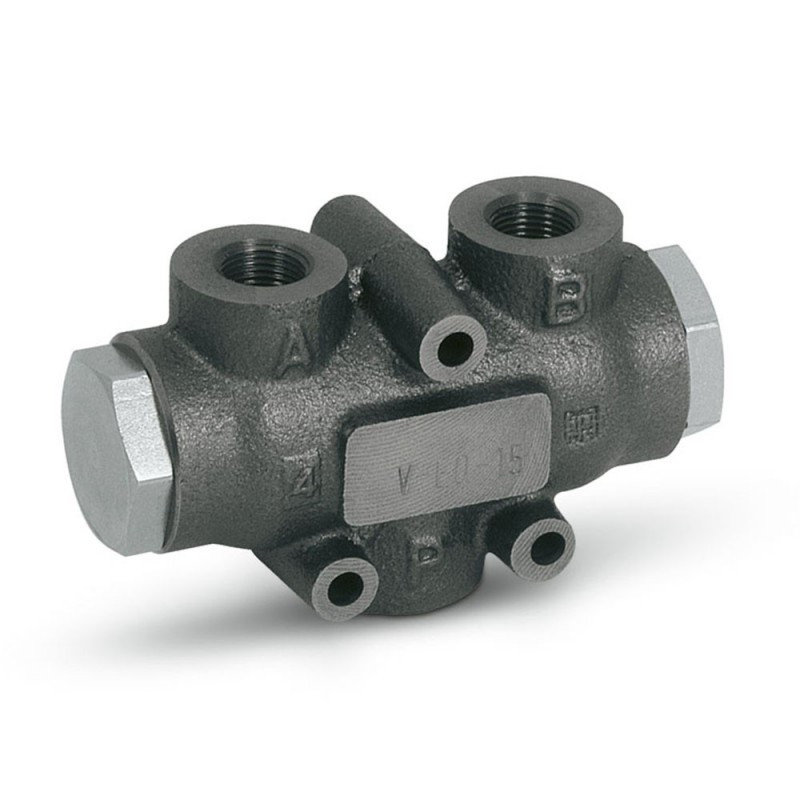
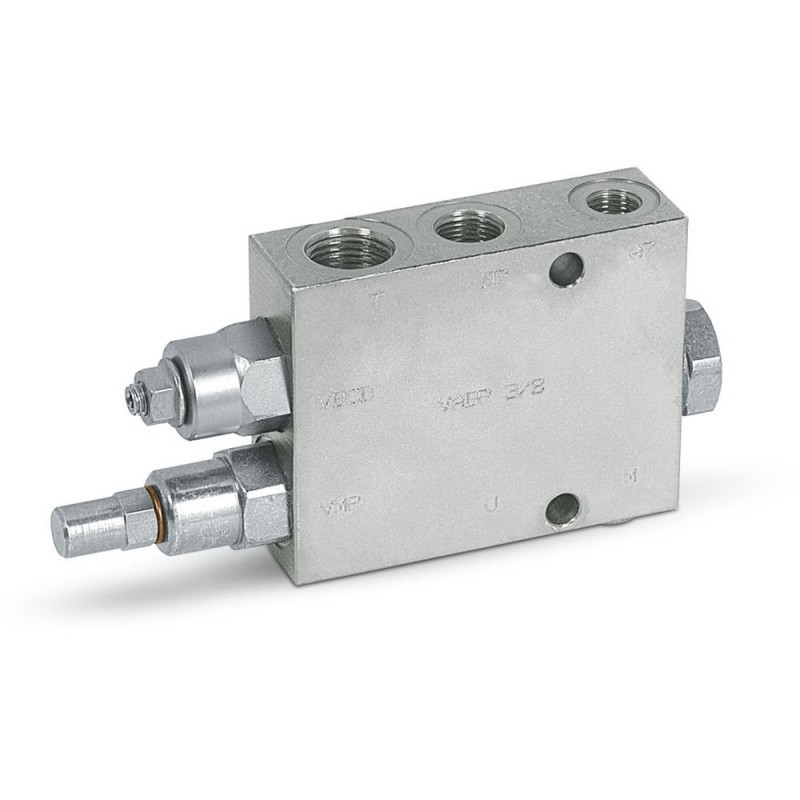



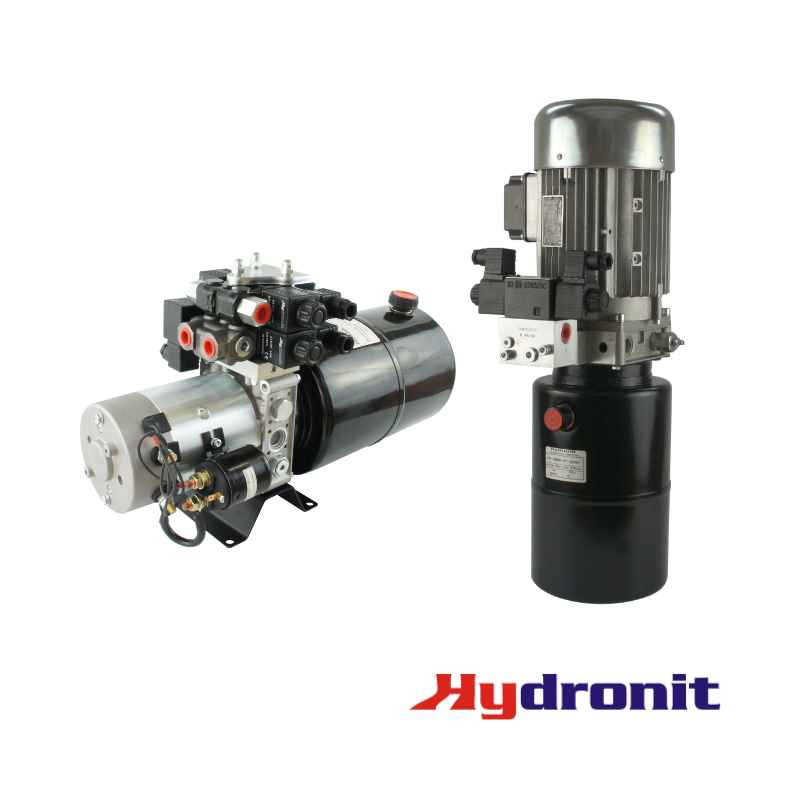
Sequence valves
In-line and modular sequence valves (VSQAPP, VS2C, MSD) for operating a second actuator when pressure reaches the set value. Choose by pressure range and mounting type. A sequence valve stays closed until the inlet pressure reaches the set value; only then…
Read moreSubcategories
-

In-line sequence valves
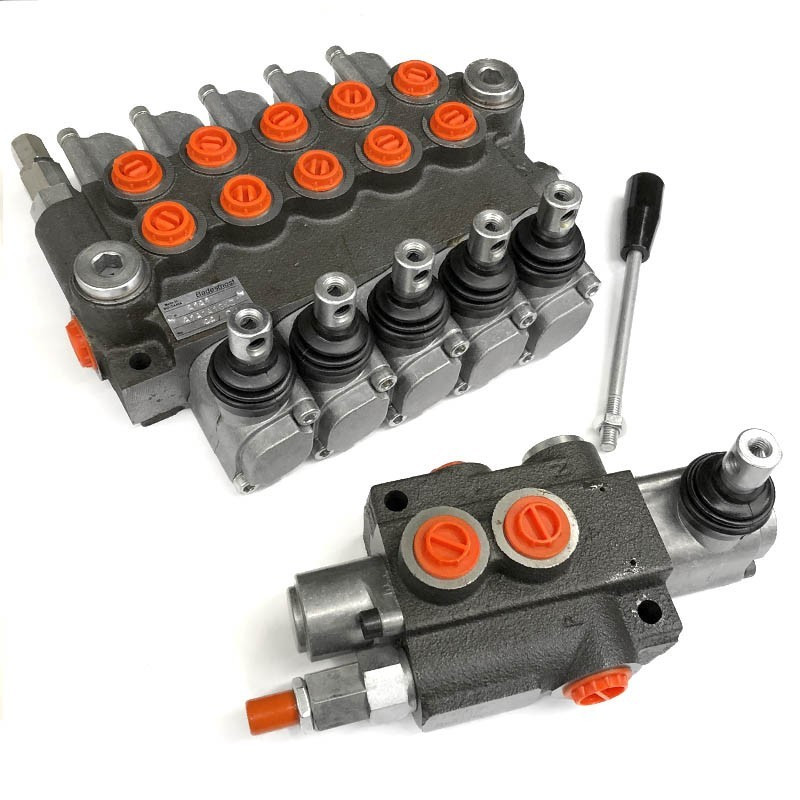
In-line sequence valves with threaded ports: Oleodinamica Marchesini VS2C, VSQAPP and VSQL (for example 3/8", 30-120 bar).
They are fitted in the pipework, between the first and the second circuit. Choose by thread, flow and adjustment range, so that the sequence pressure sits in the middle of the range, and check whether the model needs an external drain. See also Sequence valves.
Technical guide: How to choose a hydraulic valve
-

CETOP sequence valves
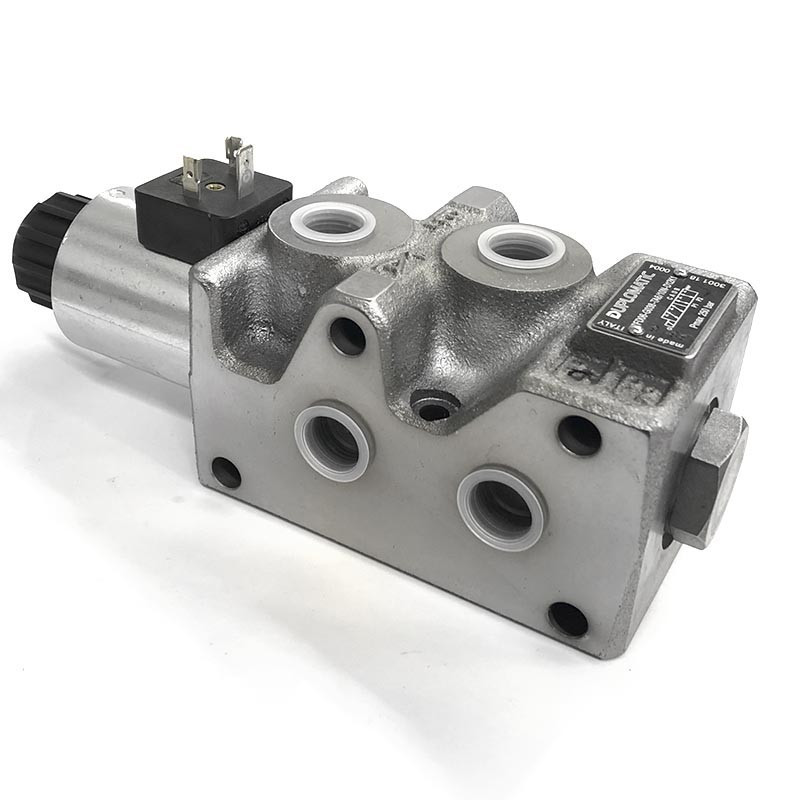
CETOP (ISO 4401) subplate-mounted sequence valves, including modular (sandwich) types: Duplomatic MSD3/50 and MSD5/50 (50-280 bar).
The modular valve fits between the subplate and the solenoid valve and sequences that function only, with no extra pipework. Choose by NG size, adjustment range and the line it acts on. See also Sequence valves.
Technical guide: How to choose a hydraulic valve
-

Cartridge sequence valves
Argo-Hytos cartridge sequence valves for fitting in manifolds. Choose by cavity.
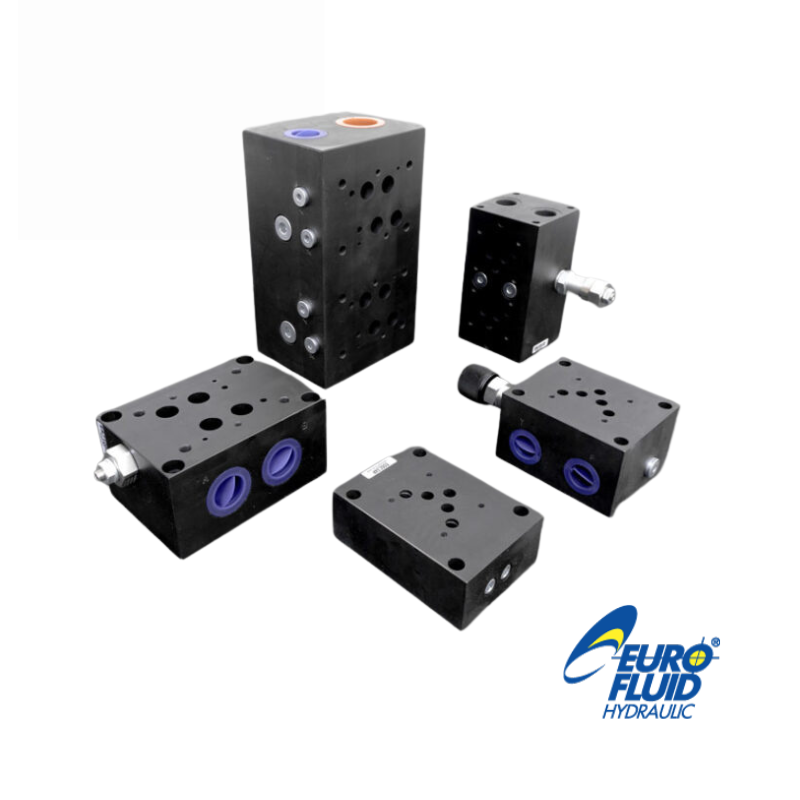
The cartridge provides the sequence inside the manifold, with no valves in the pipework. Check the cavity, the flow, the adjustment range and the drain connection. Cartridge bodies are under Manifolds and subplates.
Technical guide: How to choose a hydraulic valve
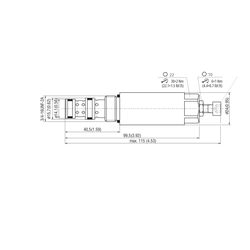
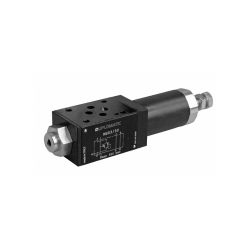
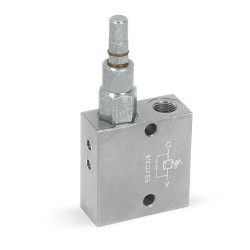

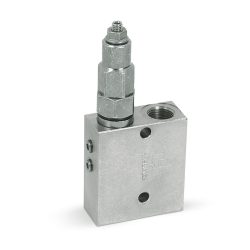
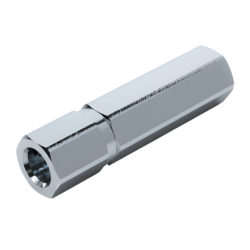

In-line and modular sequence valves (VSQAPP, VS2C, MSD) for operating a second actuator when pressure reaches the set value. Choose by pressure range and mounting type.
A sequence valve stays closed until the inlet pressure reaches the set value; only then does it open and let oil through to the second circuit. The typical case is clamping a part and only then working on it: the clamping cylinder extends first and, once it reaches pressure, the second cylinder starts to move.
- CETOP sequence valves: Duplomatic MSD modular valves;
- In-line sequence valves: Oleodinamica Marchesini VS2C, VSQAPP and VSQL;
- Cartridge sequence valves: Argo-Hytos.
Choose by adjustment range, flow, thread or mounting, and check whether an external drain is needed. For lower pressure in one branch of the circuit, see Pressure reducing valves.
Technical guide: How to choose a hydraulic valve
Are you an OEM? Reseller? Workshop?