
- Products
- Hydraulic seals
- Hoses and fittings
- Filtration
- Measurement and sensors
- Valves
- Directional valves
- Proportional valves
- Relief valves
- Check valves
- Counterbalance valves
- Sequence valves
- Pressure reducing valves
- Flow restrictors
- Flow control valves
- Flow dividers
- High-Low Valves
- End-of-stroke valves
- Ball Valves
- Other Valves
- Monoblock and sectional valves
- Coils, connectors and electronics
- NEM - Cartridge valves
- Manifold blocks and subplates
- Pressure intensifiers
- Hidro Orfão Systems
- Pumps
- Transmission
- Motors
- Accumulators
- Cooling
- Mini power packs
- Crimping machines
- Industrial consumables
- Pneumatics - End of stock
- Push-in fittings
- Brass and compression fittings
- Flow regulators and check valves
- Air treatment
- Coils and connectors
- Directional valves and solenoid valves
- Manual and mechanical valves
- Solenoid valves for fluids
- Silencers
- Pneumatic tubes
- Pneumatic cylinders
- Cylinder accessories
- Cylinder and seal kits
- Panel controls
- MEB electric motors
- Brands
- Technical library
- Guided search





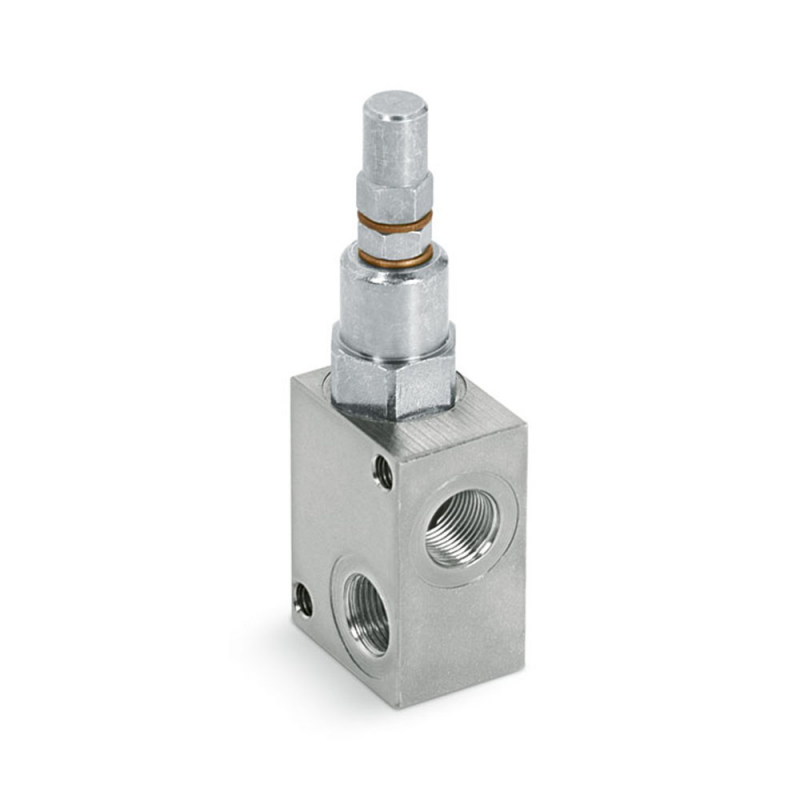
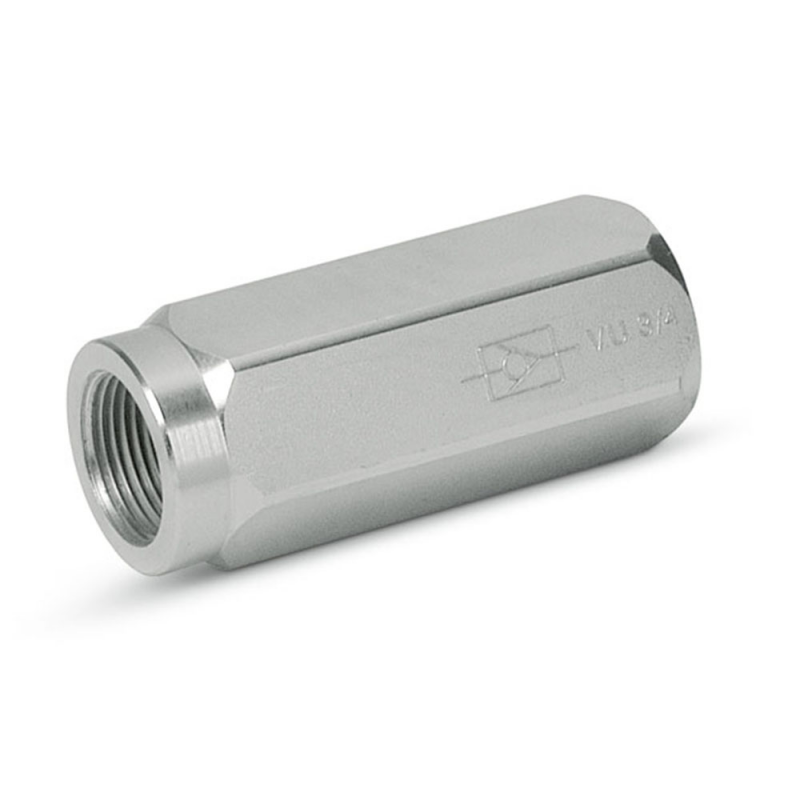
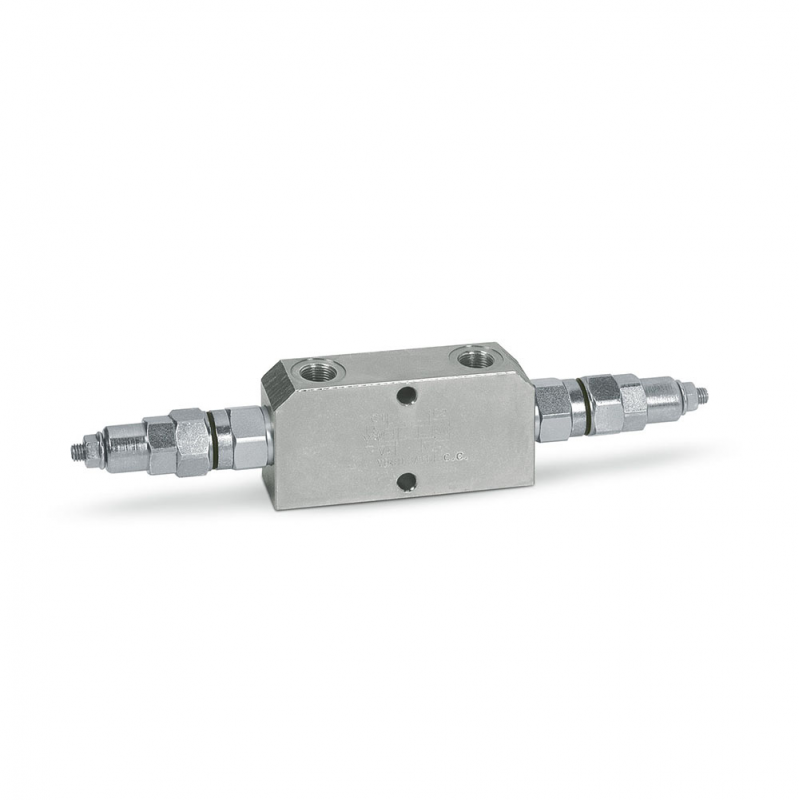
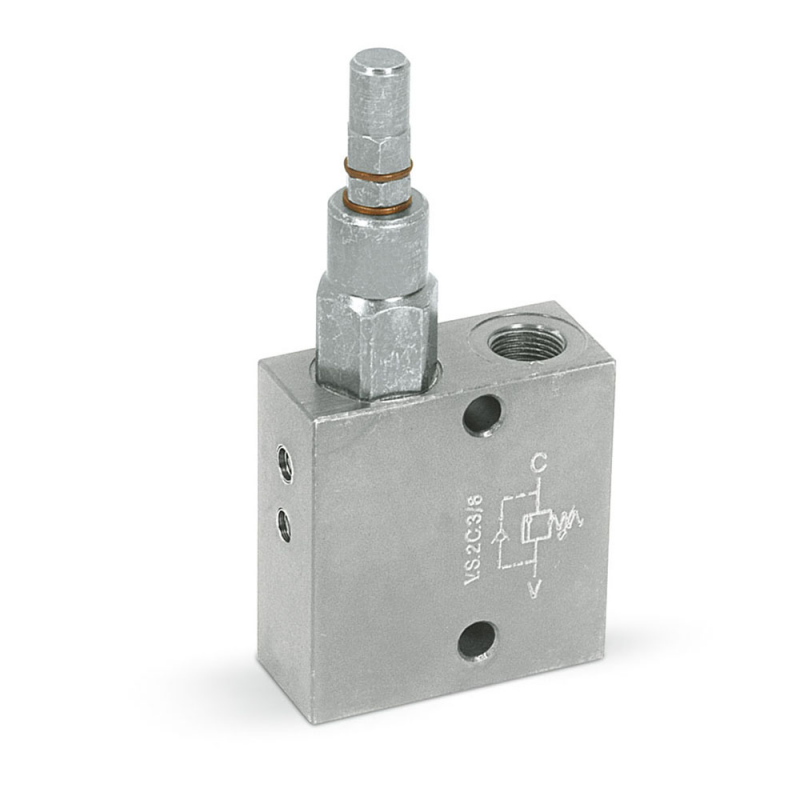
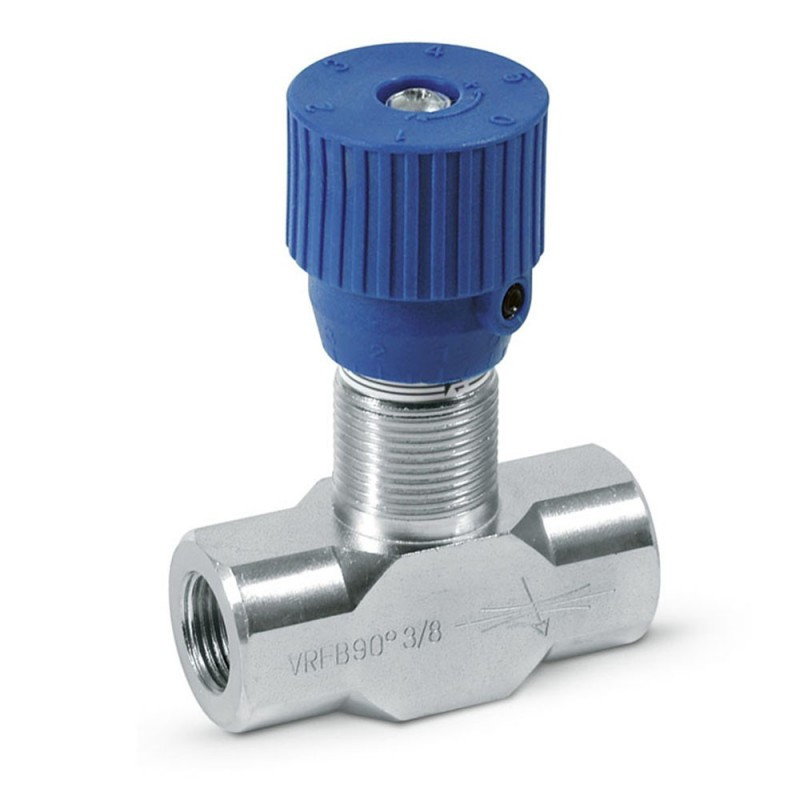
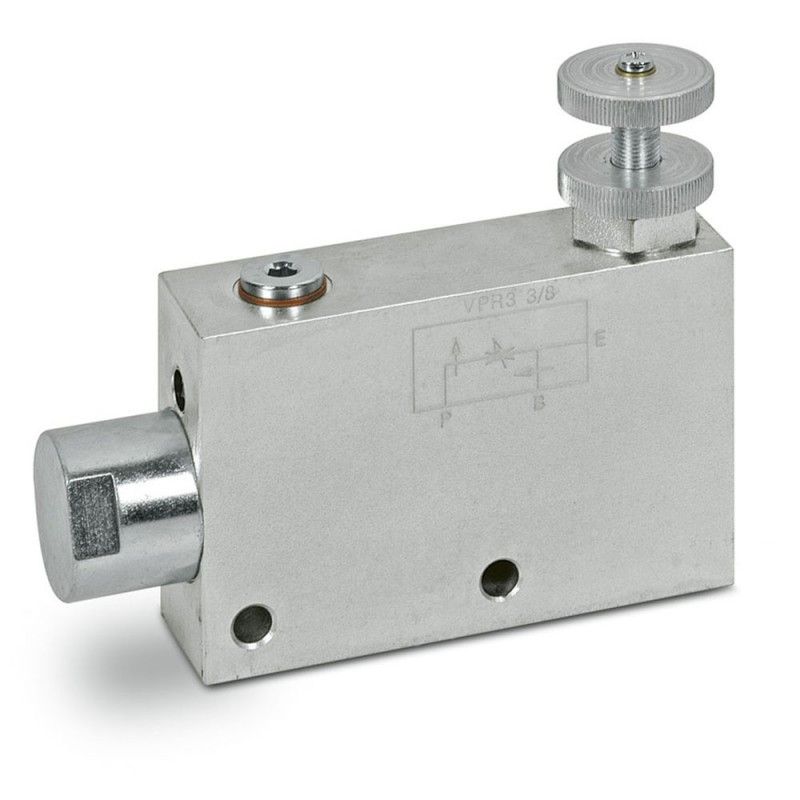
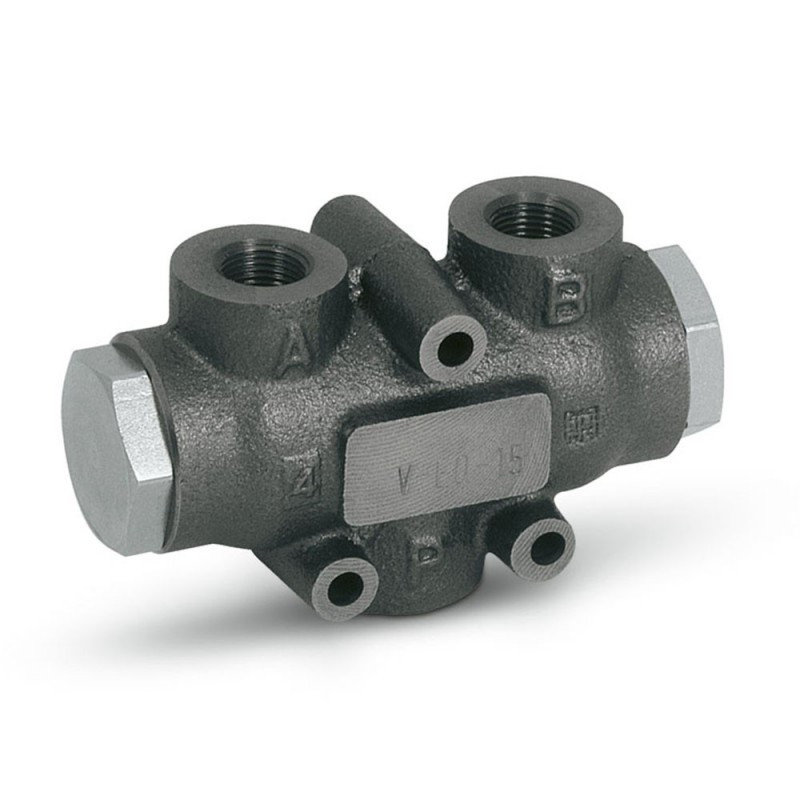
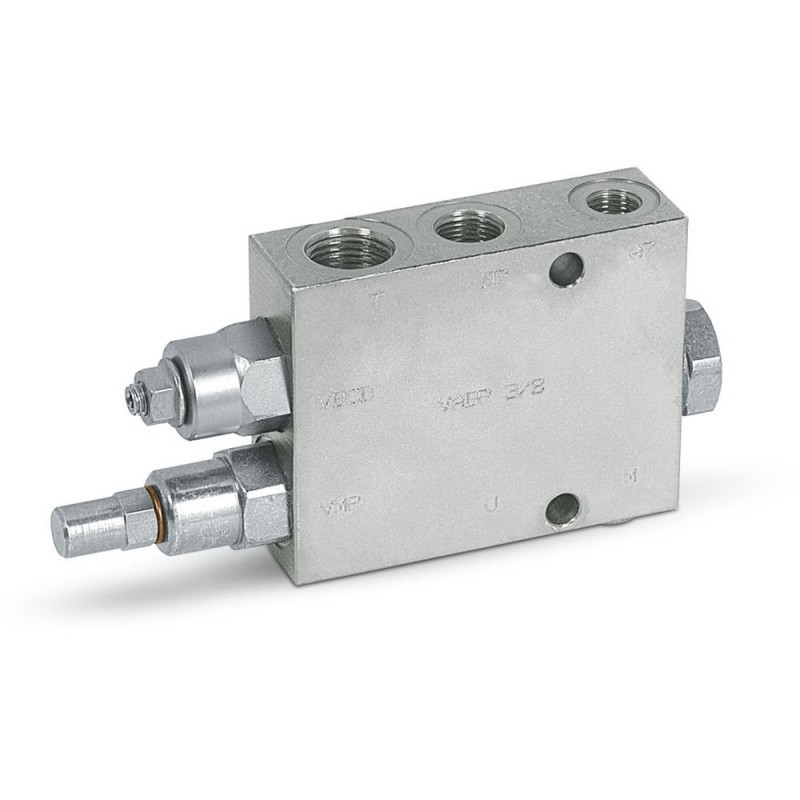



Check valves
A check valve lets oil flow in one direction and blocks it in the other. It is used to hold pressure in a branch of the circuit, prevent backflow through the pump or lock a cylinder. CETOP check valves: Duplomatic modular pilot-operated check valves (MVPP,…
Read moreSubcategories
-

In-line check valves
In-line check valves with threaded ports: single, pilot-operated, crossover and hose burst valves from Oleodinamica Marchesini, Tognella, VOSS and Duplomatic.
- Single check valves: Marchesini VU and VU MM, RHD, RHV 8LR, Duplomatic VD3 and Tognella FT-257 and FT-2260 from 1/4" to 3/4";
- Pilot-operated check valves: single VBPSE and VBPSL and double VBPDE, in several versions (A, FL, RUB), VBL/3 and Tognella FT257/7;
- Crossover check valve, which locks both lines of a motor or cylinder;
- Hose burst valves VUBA and VUBR, which close if a hose bursts.
Choose by thread, flow and maximum pressure; for pilot-operated valves, by pilot ratio. FL versions mount directly on the cylinder. To control the lowering of loads, see Counterbalance valves.
Technical guide: How to choose a hydraulic valve
-

CETOP check valves
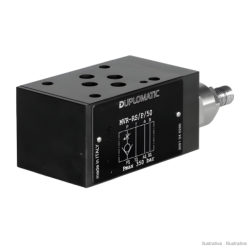
CETOP (ISO 4401) subplate-mounted check valves, including modular (sandwich) types: Duplomatic and Eurofluid, in NG6 (CETOP 3) and NG10 (CETOP 5).
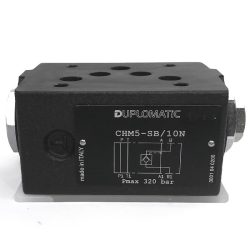
- Pilot-operated check valves Duplomatic MVPP and CHM3 (NG6) and CHM5 (NG10), on line A (SA), line B (SB) or double (D);
- A+B check valve MVJ3 (NG10) and check valve with restrictor MVR on port P;
- Eurofluid ERM NG6 check valve sandwich.
The modular valve fits between the subplate and the solenoid valve and locks the cylinder when the solenoid valve is at rest. The double version (D) locks both lines. For the pilot-operated check valve to close properly, the solenoid valve should have A and B connected to tank in the centre position. See also Check valves.
Technical guide: How to choose a hydraulic valve
-

Cartridge check valves
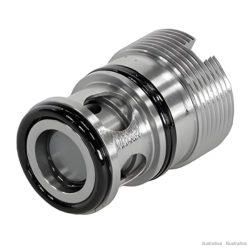
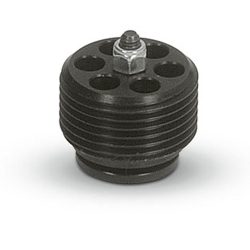
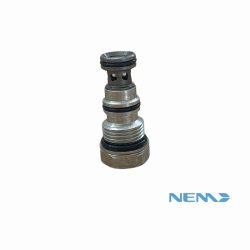
Cartridge check valves for fitting in manifolds: NEM, Duplomatic VR2-I3/32 and VR5-I3/32 and Tognella FT 267/6 M33x2 insert check valve. Choose by cavity.
A check cartridge screws into the manifold cavity and lets oil through in one direction only; the insert check valve fits inside a threaded bore. To choose, check the cavity or thread (for example M33x2), the flow and the cracking pressure. Cartridge bodies are under Manifolds and subplates.
Technical guide: How to choose a hydraulic valve

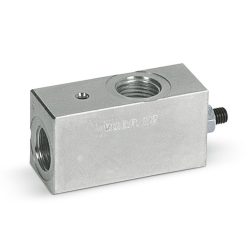
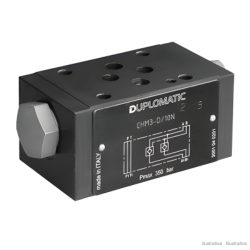
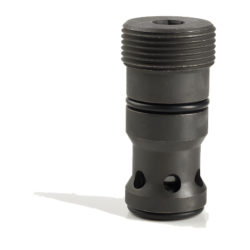
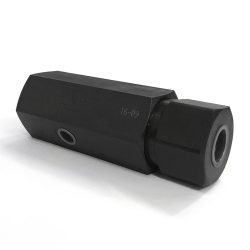
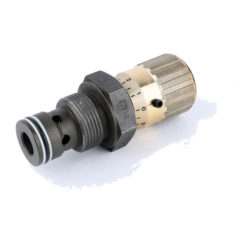
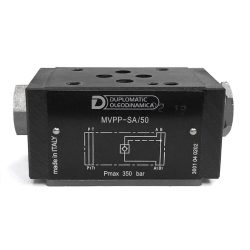
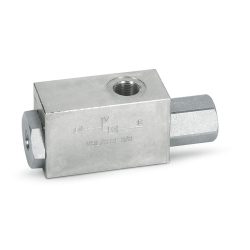
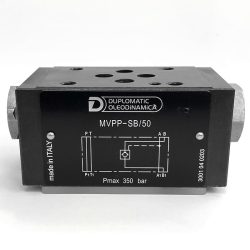
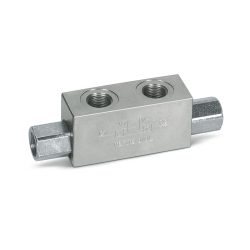
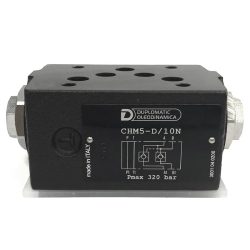

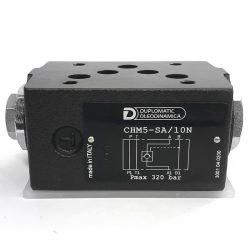
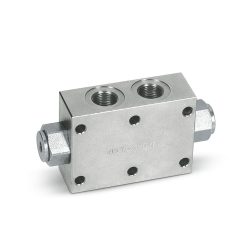
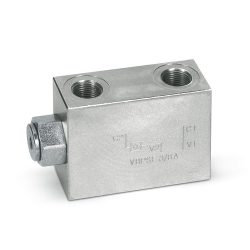
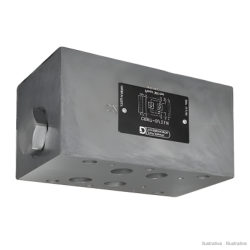
A check valve lets oil flow in one direction and blocks it in the other. It is used to hold pressure in a branch of the circuit, prevent backflow through the pump or lock a cylinder.
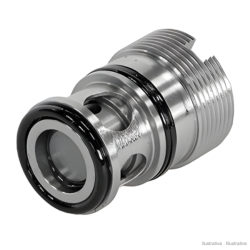
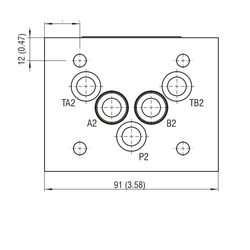
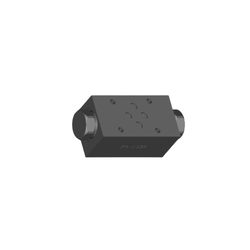
- CETOP check valves: Duplomatic modular pilot-operated check valves (MVPP, CHM3, CHM5), for stacking under the solenoid valve;
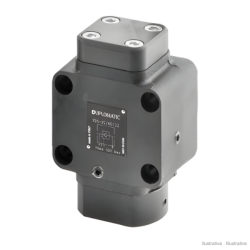
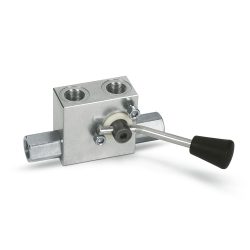
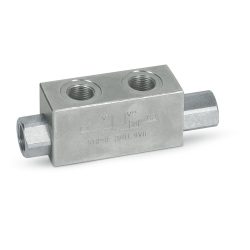
- In-line check valves: Oleodinamica Marchesini VU, RHD, VUBA and VUBR hose burst valves and VBPSE, VBPDE and VBPSL pilot-operated check valves;
- Cartridge check valves, NEM and Duplomatic, and Tognella insert check valves.
A pilot-operated check valve locks the cylinder and only lets oil return when it receives pilot pressure from the other line. It holds a load without creeping down, but does not control the lowering: for overrunning loads, such as cranes and booms, use a counterbalance valve. The double pilot-operated valve (VBPDE) locks both cylinder chambers.
A hose burst valve closes if the flow suddenly exceeds a value, for example if a hose bursts.
Choose by flow, maximum pressure and thread; for pilot-operated valves, by pilot ratio.
Technical guide: How to choose a hydraulic valve
Are you an OEM? Reseller? Workshop?