
- Products
- Hydraulic seals
- Hoses and fittings
- Filtration
- Measurement and sensors
- Valves
- Directional valves
- Proportional valves
- Relief valves
- Check valves
- Counterbalance valves
- Sequence valves
- Pressure reducing valves
- Flow restrictors
- Flow control valves
- Flow dividers
- High-Low Valves
- End-of-stroke valves
- Ball Valves
- Other Valves
- Monoblock and sectional valves
- Coils, connectors and electronics
- NEM - Cartridge valves
- Manifold blocks and subplates
- Pressure intensifiers
- Hidro Orfão Systems
- Pumps
- Transmission
- Motors
- Accumulators
- Cooling
- Mini power packs
- Crimping machines
- Industrial consumables
- Pneumatics - End of stock
- Push-in fittings
- Brass and compression fittings
- Flow regulators and check valves
- Air treatment
- Coils and connectors
- Directional valves and solenoid valves
- Manual and mechanical valves
- Solenoid valves for fluids
- Silencers
- Pneumatic tubes
- Pneumatic cylinders
- Cylinder accessories
- Cylinder and seal kits
- Panel controls
- MEB electric motors
- Brands
- Technical library
- Guided search








Subcategories
-

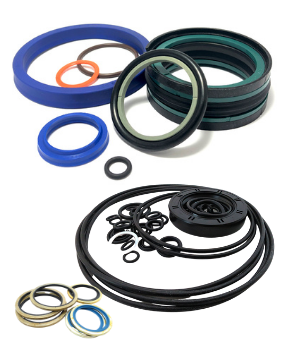
Hydraulic seals
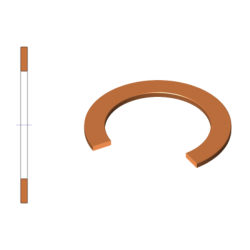
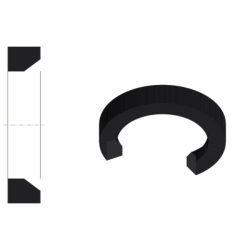
Seals for hydraulic cylinders, pumps, motors and valves: rod and piston seals, wipers, guide rings, O-rings, shaft seals and seal kits, in stock and by size.
In this section you will find:
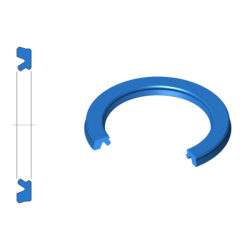
- Rod seals (TTU, TTI, TTS, IGR and chevron), which stop oil leaking out of the cylinder;
- Piston seals (DBM, Tesko, EGR), which separate the two chambers;
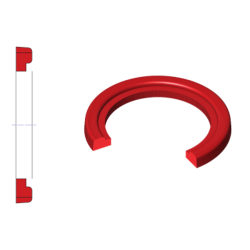
- Wipers (P5, P9, PW, DSR-U and GA metal-cased), which keep dirt out;
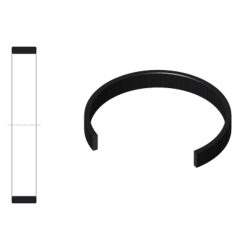
- Guide rings and guide tape, which prevent metal-to-metal contact;
- O-rings in NBR and Viton and back-up rings;
- Shaft seals CB, CC and pressure type, PTFE seals, bonded seals and seal kits for pumps and motors.
To choose a seal you need three dimensions: the rod diameter (or the bore, for a piston seal), the groove diameter and the groove width. The material depends on the oil and the temperature: NBR for mineral oil up to about 100 °C, Viton (FKM) for higher temperatures and some special fluids, polyurethane for rod seals and wipers, and PTFE where low friction or high speed is needed.
The seal finder searches these dimensions across all profiles at once. If you only have the worn seal, measure the groove rather than the seal, which deforms with use. For seal kits for a pump or motor, search by the machine model (Kawasaki, Linde, Danfoss, M+S, Ronzio).
Technical guide: How to choose a hydraulic seal
-

Hoses and fittings
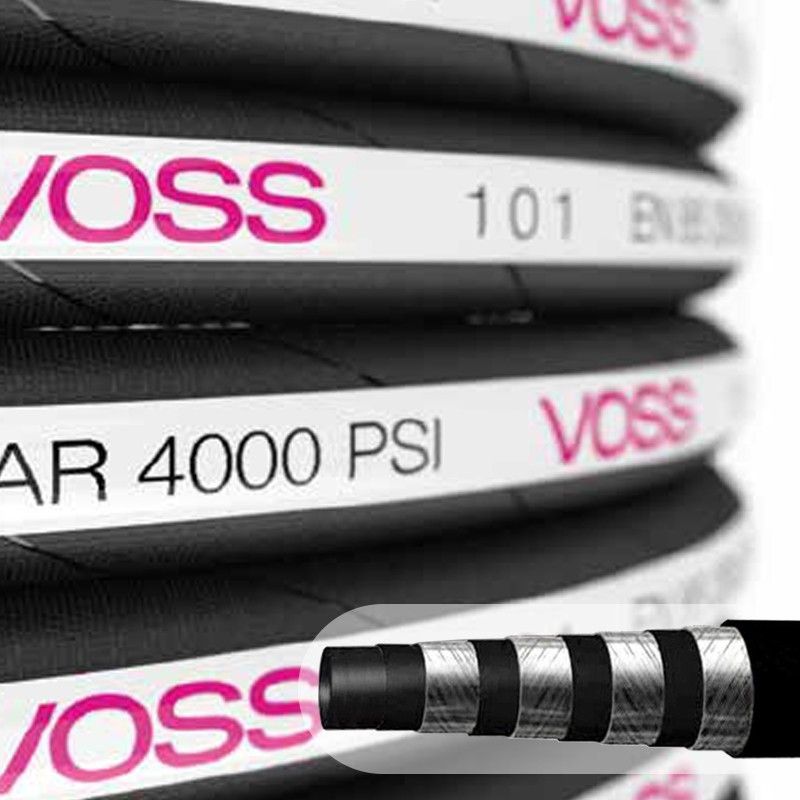
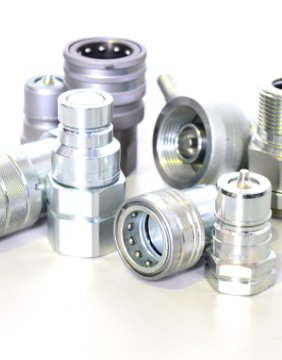
Everything that connects the components of a hydraulic circuit: hoses, crimp fittings, adapters, quick couplings, steel tube and clamps.
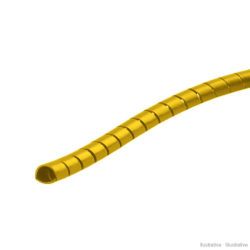
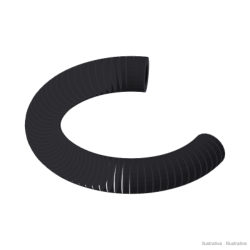
- Hoses: low and high pressure hydraulic hose, suction hose, zinc-plated steel tube and spiral and textile sleeve protection;
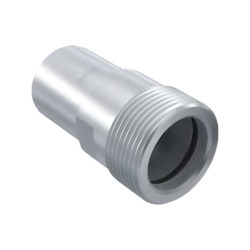
- Crimp fittings: BSP, metric DIN, JIC, ORFS, JIS, SAE 3000 and 6000 flanges, banjos and Interlock, with ferrules;
- Adapters: BSP, metric DIN 2353 (cutting ring), JIC, ORFS, flanges and test points;
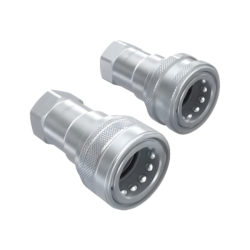
- Quick couplings: ISO-A, ISO-B, flat face, Faster NV, Tema T, VCR, PVS and others;
- Clamps for tube and hose.
The first step is to identify the thread or connection: BSP (60° cone), metric DIN (24° cone), JIC (37° cone), ORFS (flat face with O-ring) or flange. The guide How to identify hose fittings explains how to measure with a caliper, and the thread chart gives the dimensions of each.
If you need the hose already assembled, use the custom hose assembly: choose the hose, fittings and length and see the price straight away. To find compatible fittings and hoses, use the hose fitting finder.
Technical guide: BSP and NPT threads: how to identify them
-

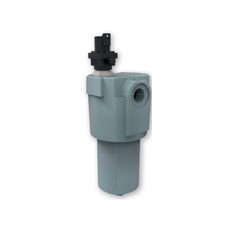
Filtration
Hydraulic filters and filter elements to keep the oil clean: most pump and valve failures are caused by dirty oil.
In this section:
- Return, pressure, in-line and suction filters;
- Replacement filter elements from Argo-Hytos, Filtrec, Donaldson, FBN and others;
- Clogging indicators, breather filters and reservoir accessories;
- Offline filtration units and oil contamination sensors.
To replace a filter element, search for the code marked on the element or on the filter cover; many elements have equivalents in other brands with the same dimensions. Without a code, you need the dimensions (outside diameter, inside diameter and height), the filtration rating in microns and the pressure the element must withstand.
Where each filter goes: the suction filter protects the pump (coarse mesh, low pressure drop), the pressure filter protects the valves after the pump, and the return filter cleans the oil going back to the reservoir. A clogging indicator tells you when the element needs replacing.
-

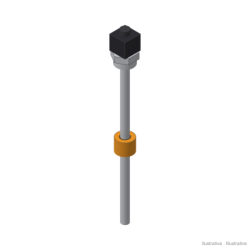
Measurement and sensors
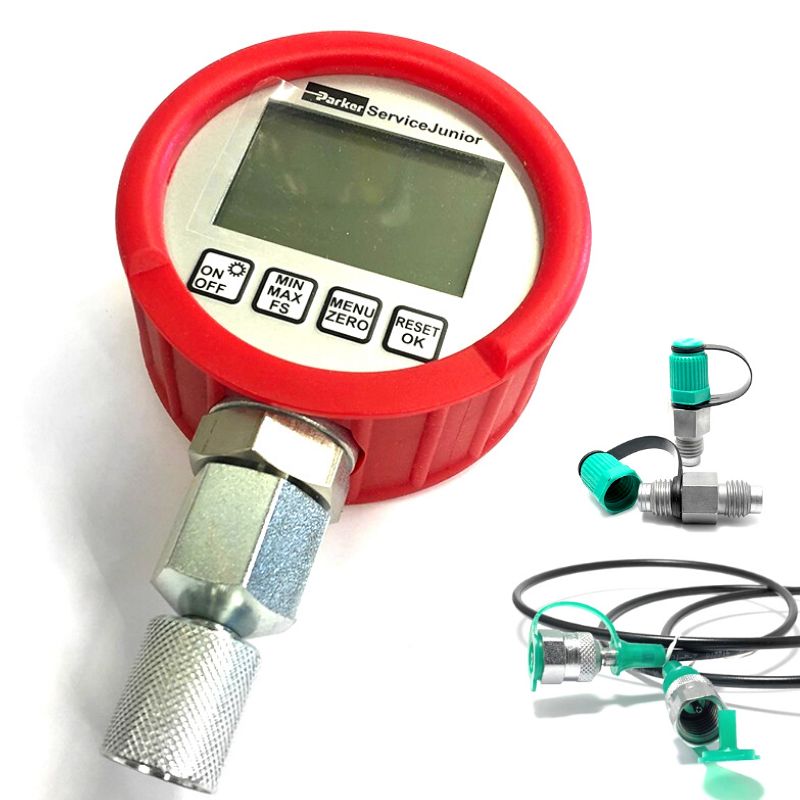
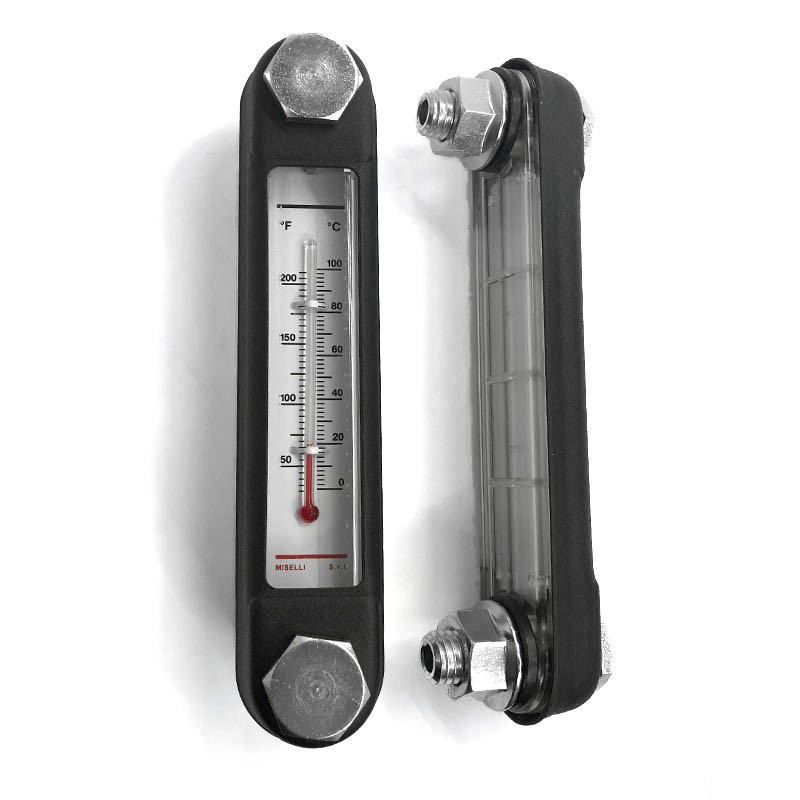
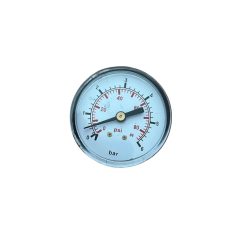
Instruments for measuring and monitoring a hydraulic circuit: pressure gauges, level gauges and sight glasses, pressure switches and transducers, oil condition sensors and diagnostic kits.
- Pressure gauges with 40, 50, 63 and 100 mm dials, glycerine filled, and digital gauges;
- Oil level gauges and sight glasses, with and without thermometer, and electrical level gauges;
- Pressure switches and pressure transducers;
- Oil condition sensors (moisture, temperature) and particle counters;
- Diagnostic kits with sensors, test hoses and test points.
How to choose a pressure gauge: the scale should go up to about one and a half to two times the working pressure, so the needle works in the middle of the dial. The most common connection thread is 1/4" BSP, bottom or back entry. On machines with vibration or pulsation, glycerine filling protects the mechanism. To avoid keeping the gauge under pressure all the time, fit a gauge isolator or use a test point with a test hose.
To measure without opening the circuit, test points (EMA3) stay fitted on the machine and the gauge is connected only when needed.
-

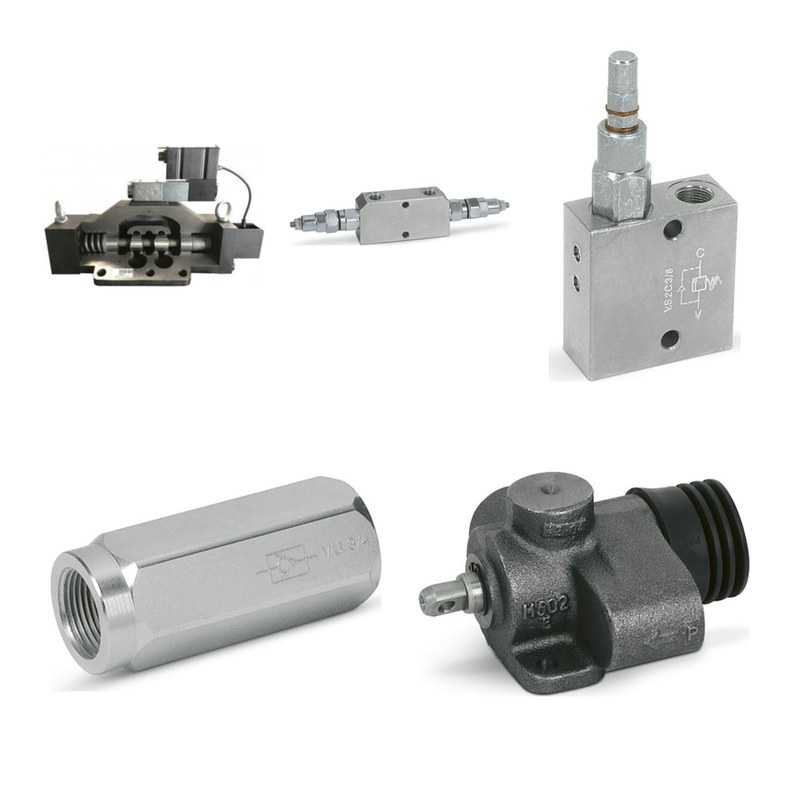
Valves
Hydraulic valves for controlling the direction, pressure and flow of oil, in subplate (CETOP), in-line or cartridge mounting, with coils, directional valves and manifolds.
In this section:
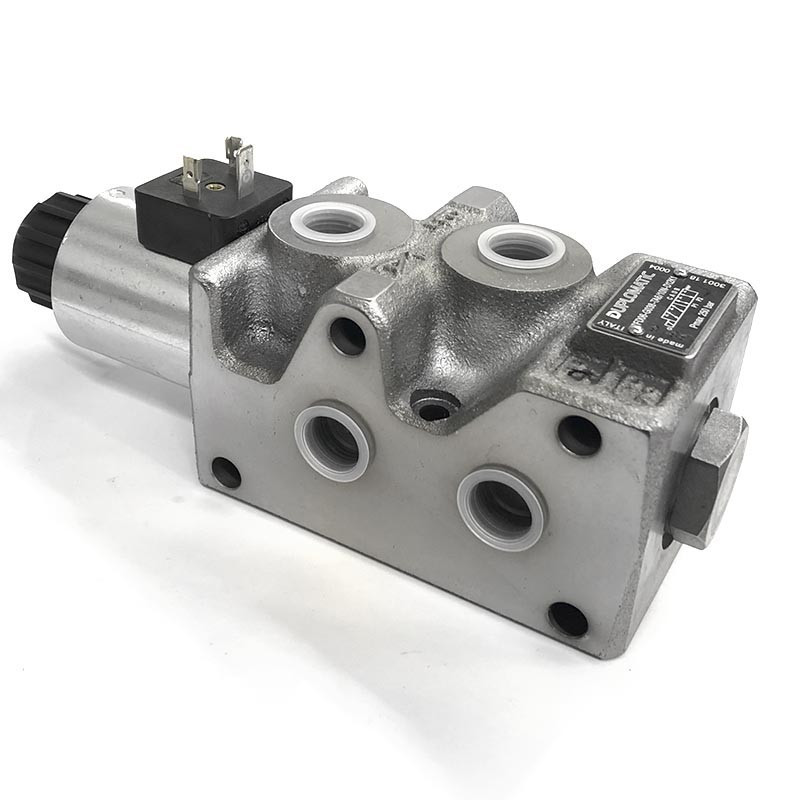
- NG6 (CETOP 3) and NG10 (CETOP 5) directional valves: Duplomatic DS3 and DS5 solenoid valves, proportional and modular valves;
- Cartridge valves from NEM, Argo-Hytos and Hydronit, for fitting in manifolds;
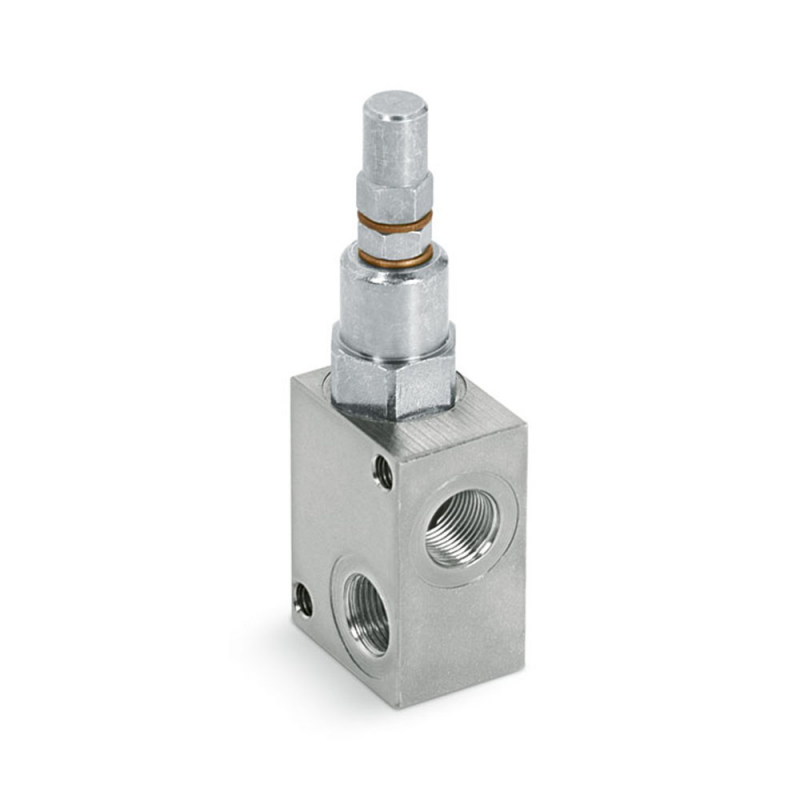
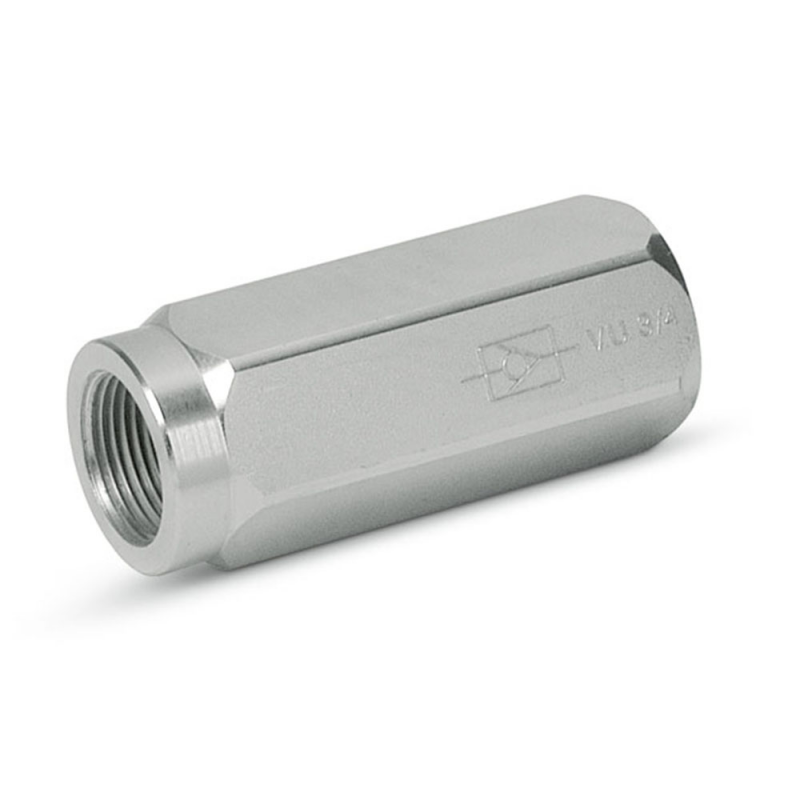
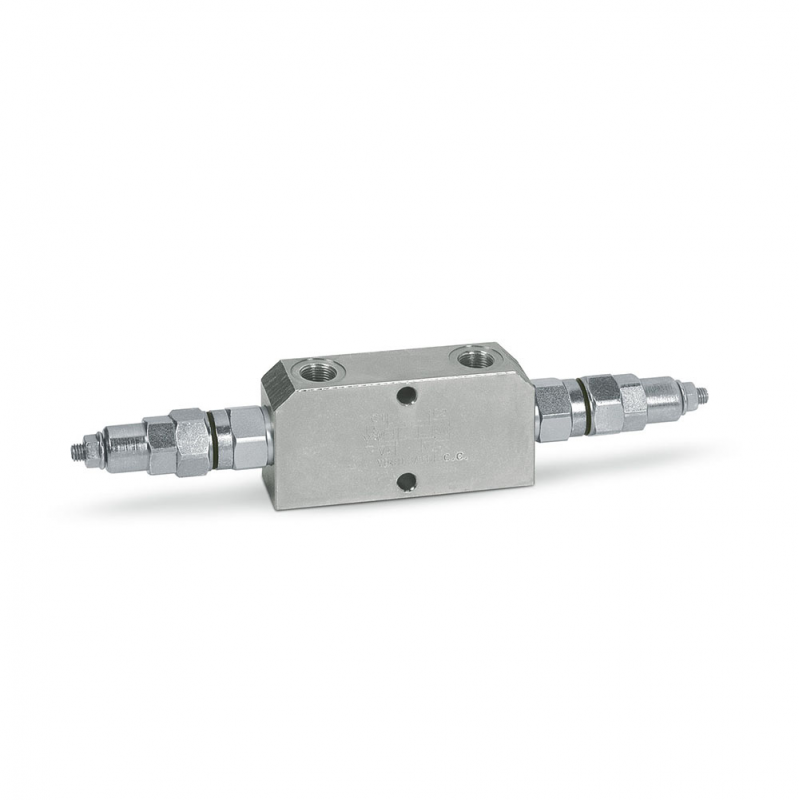
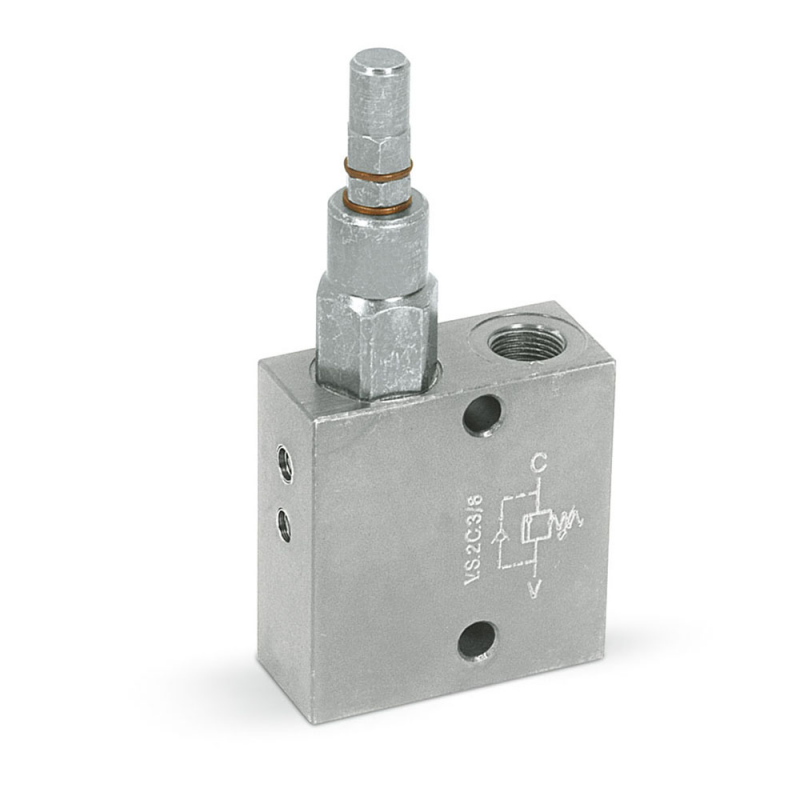
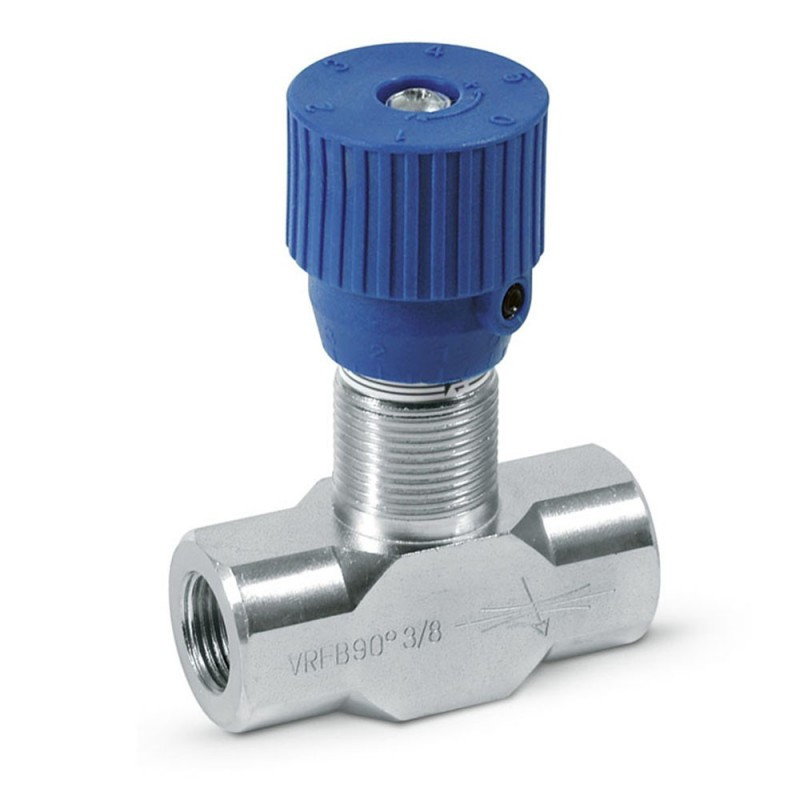
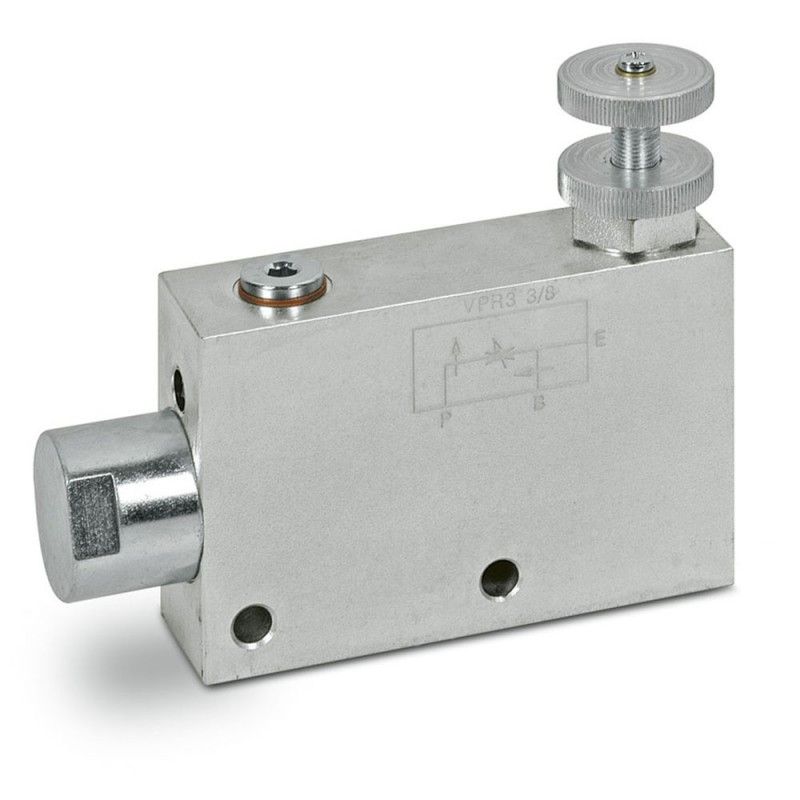
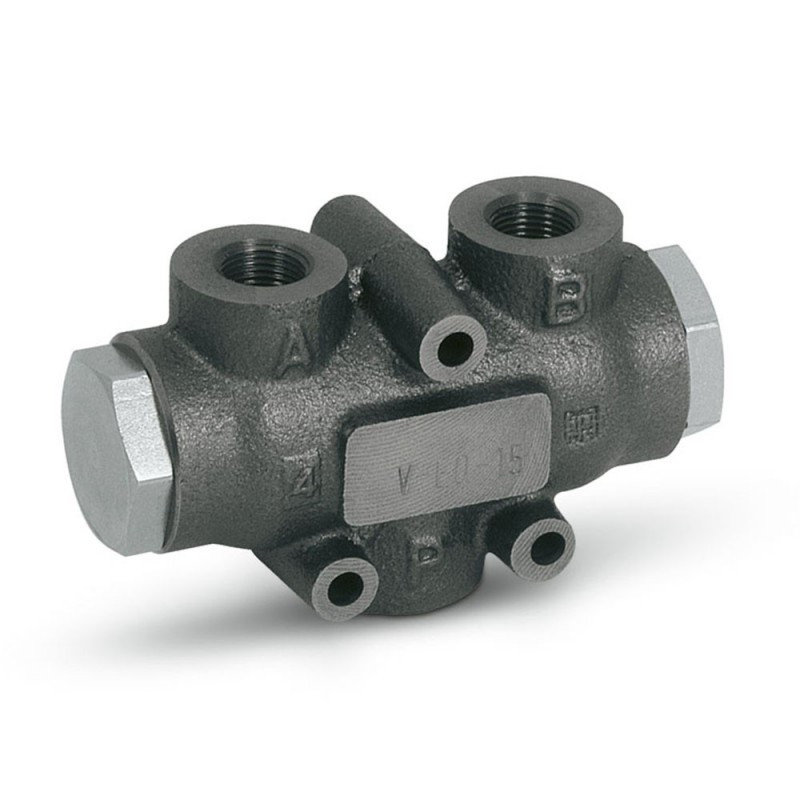
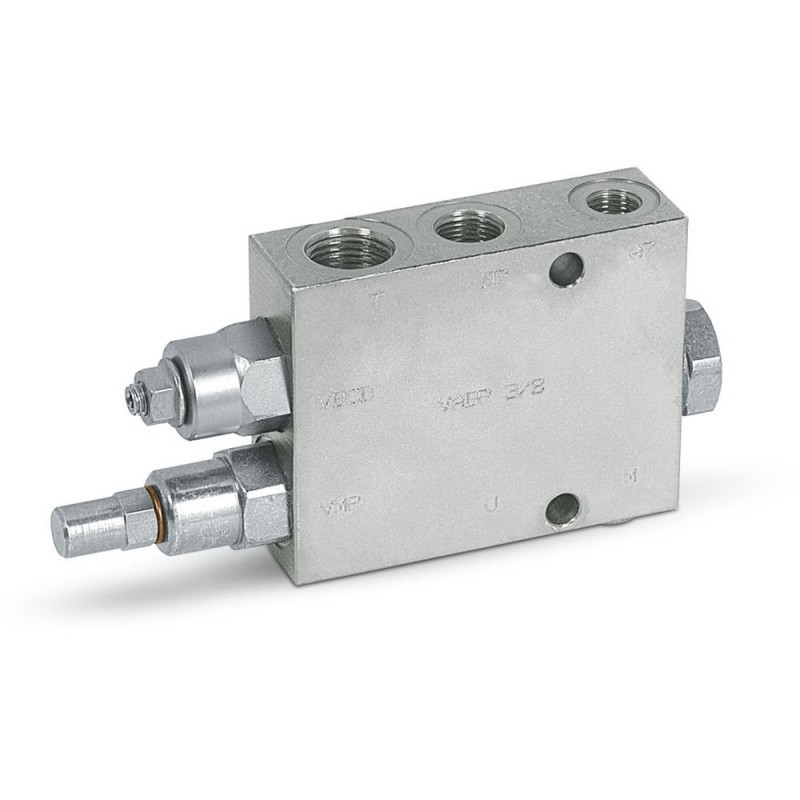
- In-line valves from Oleodinamica Marchesini and Tognella: relief, check, counterbalance, sequence, flow control, flow divider, high-low and end-of-stroke valves;
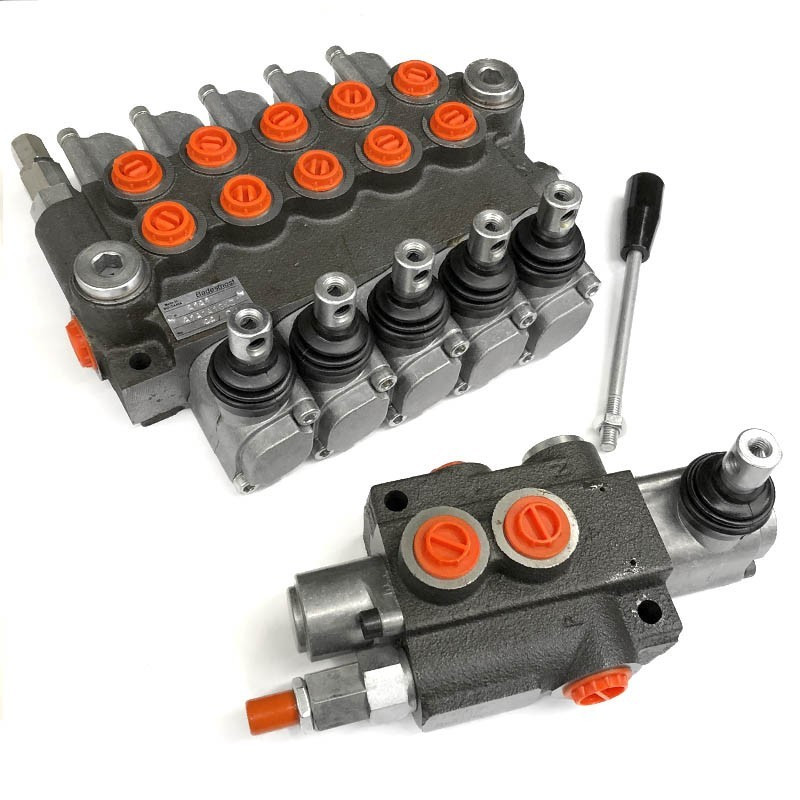
- Directional control valves with manual and electric operation, PVG16 and PVG32 parts, joysticks and electronics;
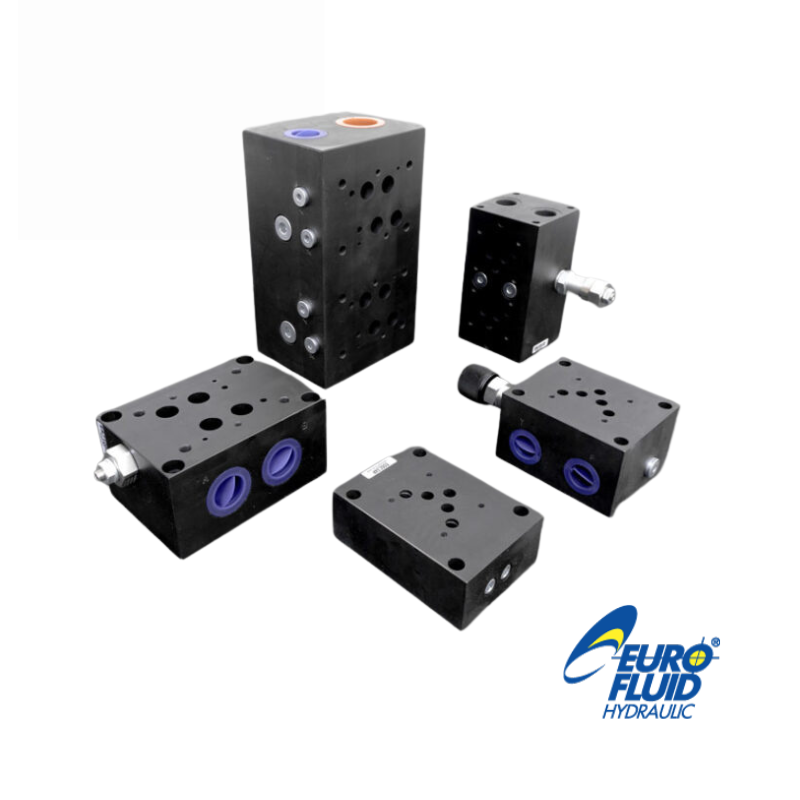
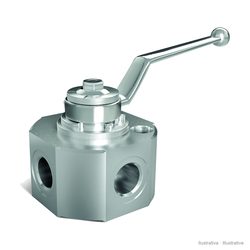
- Coils, DIN 43650 plugs, ball valves, pressure intensifiers and Eurofluid manifolds.
To replace a valve, the safest way is the code marked on the plate or the body: search for it in the search box. Without a code, you need the mounting type (CETOP subplate, in-line thread or cartridge), the function, the maximum pressure, the flow and, for solenoid valves, the coil voltage (for example 24 V DC or 230 V AC).
CETOP valves have a standard interface (ISO 4401): an NG6 (CETOP 3) valve from one brand fits the subplate of another. Always check the spool type (the centre symbol) before replacing.
Technical guide: How to choose a hydraulic valve
-

Hidro Orfão Systems
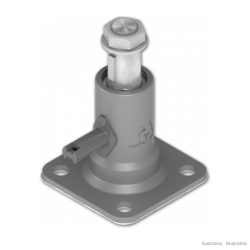
Valves developed by our team for specific machine applications: an excavator quick hitch valve and a forklift fork side-positioning valve.
The quick hitch valve operates the hitch cylinder that locks the bucket or attachment to the excavator arm. The side-positioning valve controls the sideways movement of the forklift forks. Contact us to adapt it to your machine, giving the make, the model and the available hydraulic circuit.
-

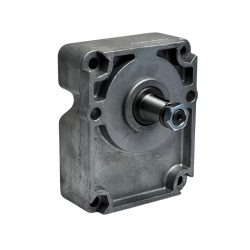
Pumps
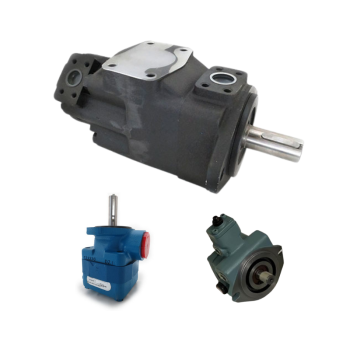
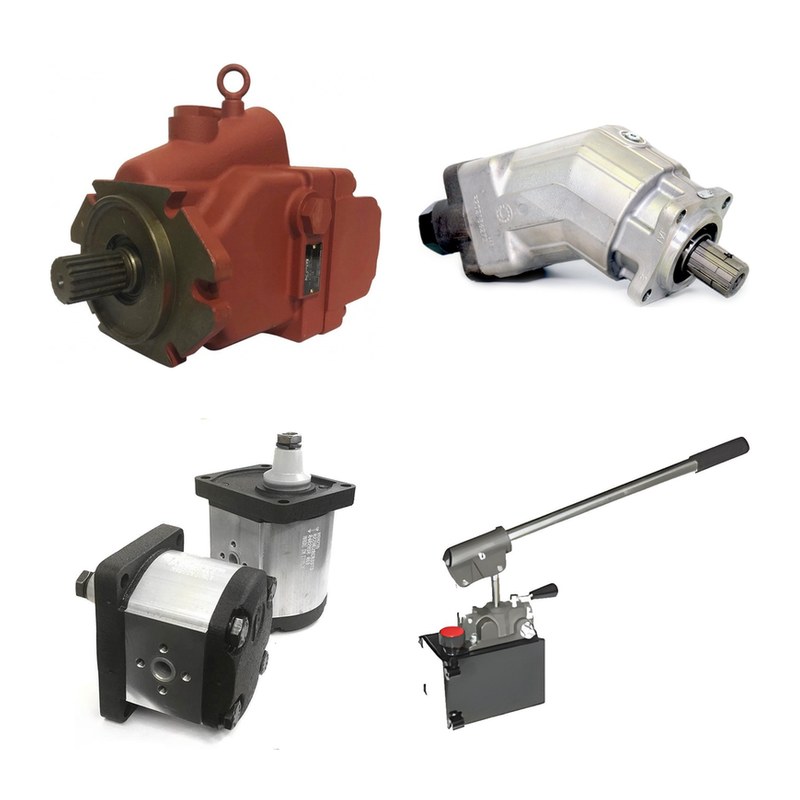
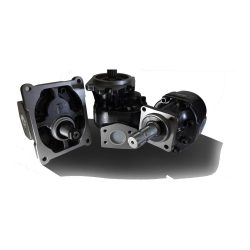
Hydraulic pumps and spare parts for mobile, agricultural, forestry and industrial machinery: gear, axial piston, bent axis, vane and hand pumps.
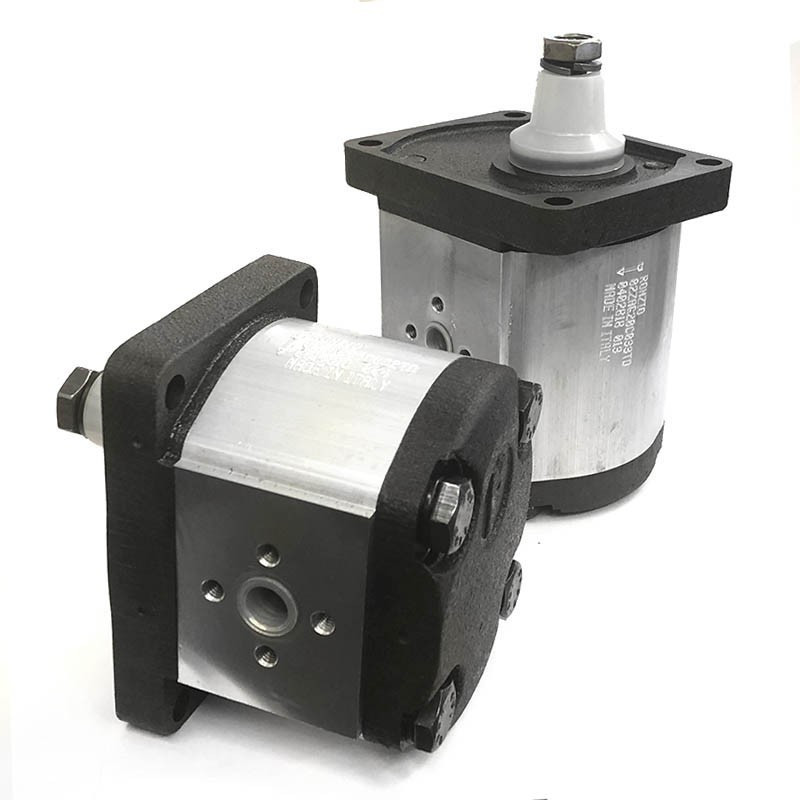
- Gear pumps from Ronzio and Hydreco, groups 1 to 4, and internal gear pumps;
- Axial piston pumps from Kawasaki (K3V, K5V, K3VG, K3VLS, K7VG, K8V), Linde and Rexroth;
- Bent axis pumps from Rexroth and Aber;
- Vane pumps from B&C and Nachi, single, double and triple;
- Hand pumps, single and double acting, with and without tank;
- Spare parts and seal kits by pump model.
To replace a pump, the shortest route is the full code on the nameplate: search for it. Without a nameplate, you need the pump type, the displacement (cm³ per revolution), the direction of rotation seen from the shaft, the shaft type (tapered, splined, parallel with key), the mounting flange and the inlet and outlet threads.
The displacement calculator gives the displacement of a gear pump from the gear dimensions, and the power calculator tells you the motor needed for the flow and pressure.
-

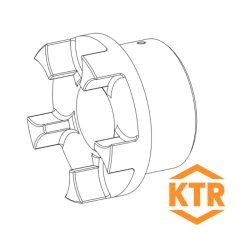
Transmission
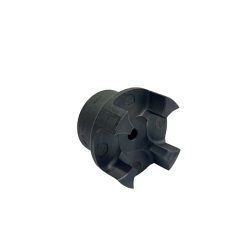
Parts to connect the hydraulic pump to the electric motor, the combustion engine or the power take-off: couplings, bellhousings, speed increasers, clutches, splined bushes and bearing supports.
- Flexible couplings KTR ROTEX and BOWEX, TRASCO and OMT, with spiders in several hardnesses;
- Bellhousings that fix the pump to the motor;
- Oleodinamica Borelli speed increasers and clutches for power take-offs;
- Splined bushes and sleeves to DIN 5480, DIN 5482 and SAE and bearing supports.
To mount a pump on an electric motor you need three parts: the bellhousing (which joins the motor flange to the pump flange), the coupling (a hub for each shaft and the spider in between) and, if needed, a bush. Give the power and frame size of the electric motor (or the flange), the pump flange type (for example SAE A or European) and the shafts on both sides: diameter and key, or splines and standard.
The spider hardness (Shore) changes the damping: softer spiders absorb more vibration, harder ones transmit more torque.
-

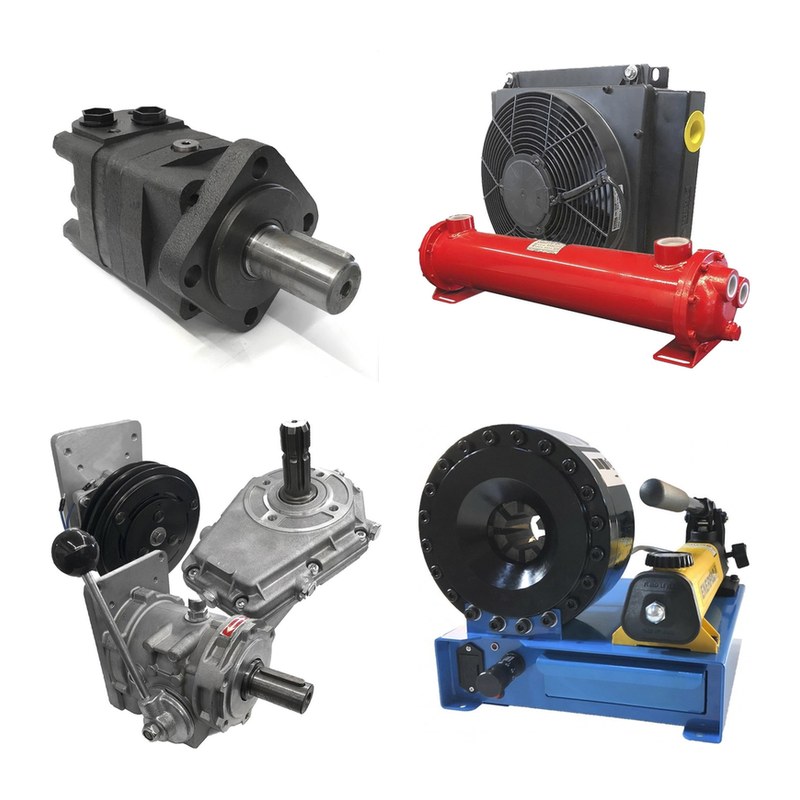
Motors
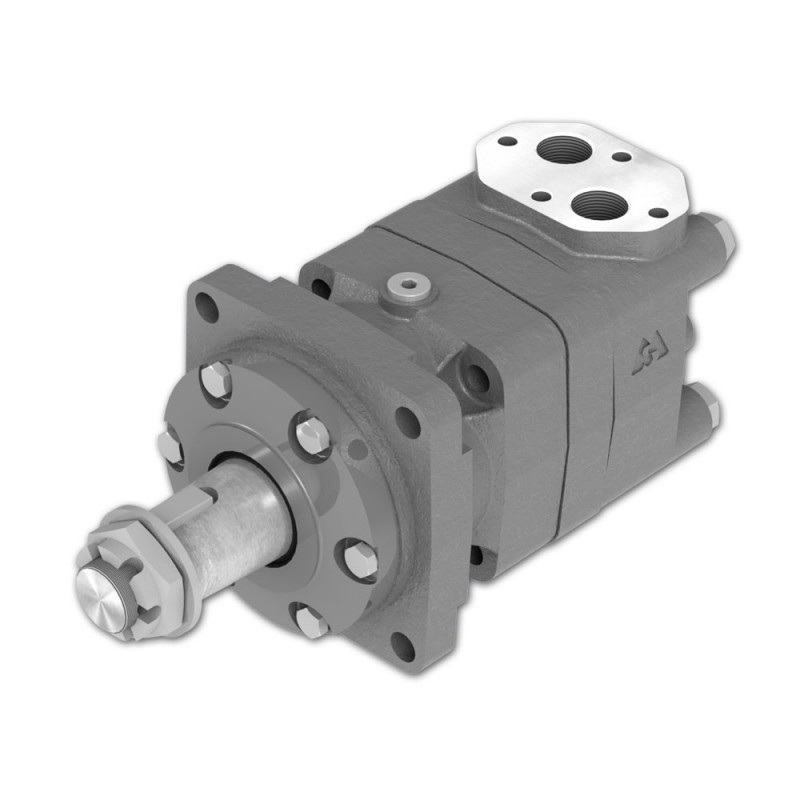
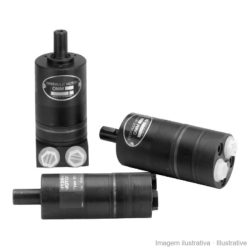
Hydraulic motors to turn oil pressure and flow into rotation, hydraulic steering units and negative brakes: M+S, Danfoss, Rexroth, Linde, Kawasaki, Ronzio and others.
- Orbital motors from M+S Hydraulic, series MM, MP, MR, MRNA, MS, MT, MTM, MV and MVM, Danfoss motors and motors with negative brake;
- Piston motors: M+S MAP, Rexroth A6VM, Linde and Kawasaki;
- Gear motors from Ronzio and Hydreco and Vickers vane motors;
- Orbitrol steering units HKU(S) and PR priority valves for hydraulic steering;
- M+S LB/LBS negative brakes and seal kits.
M+S orbital motors are interchangeable with Danfoss OMM to OMV motors: if your machine has a Danfoss motor, you can search for the Danfoss model and find the M+S equivalent.
How to choose an orbital motor:
- Series: sets the size and maximum torque;
- Displacement (cm³ per revolution): the larger it is, the more torque and the fewer revolutions for the same flow;
- Shaft: parallel, splined or tapered, and its diameter;
- Flange and position of the oil ports (side or rear), and whether it has a drain.
The code on the old motor carries this information. Each series' product page lists the available versions with the original code.
-

Accumulators
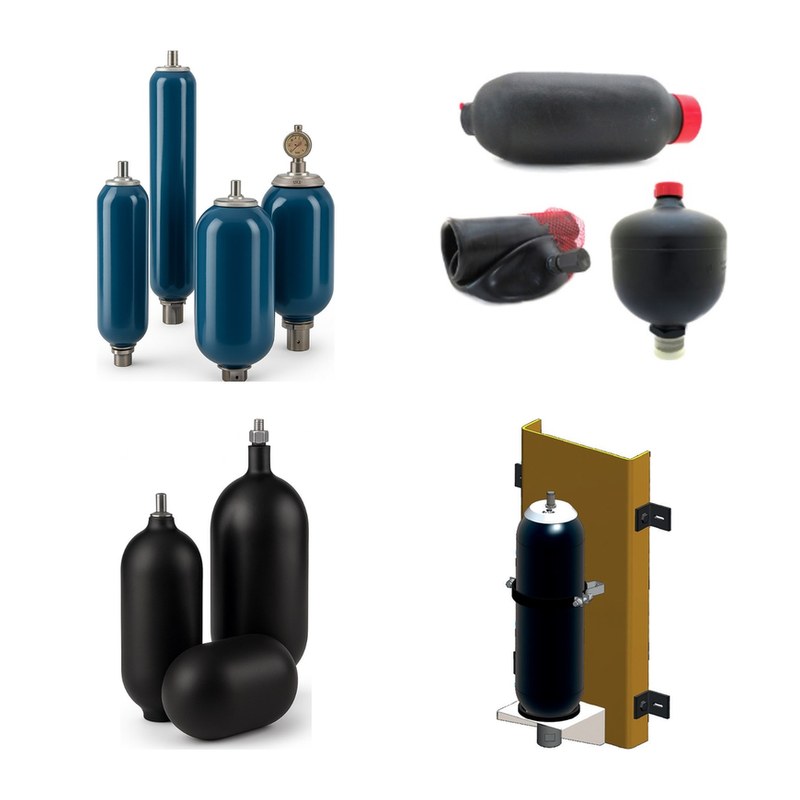
Hydac and SAIP hydraulic accumulators and replacement parts: bladder and diaphragm accumulators, bladders and diaphragms and mounting accessories.
An accumulator stores oil under pressure by compressing nitrogen behind a bladder or diaphragm, and is used to absorb shocks and pulsations, hold pressure when the pump stops, supply extra flow at consumption peaks and as an emergency reserve.
- Bladder accumulators (Hydac SB330 and others): for larger volumes and high flows;
- SAIP accumulators from the LA, LAV, SI and WA series;
- Replacement bladders and diaphragms.
How to choose: the volume (in litres), the maximum working pressure, the connection thread to the circuit and the bladder or diaphragm material (NBR for mineral oil). For a replacement bladder, also give the thread of the charging valve (for example M50x1.5 or 7/8"-14 UNF).
Caution: an accumulator holds pressurised nitrogen even with the machine stopped. Before dismantling, discharge the oil and the gas with the proper equipment. Charge only with nitrogen, never with air or oxygen.
-

Cooling
Coolers to keep hydraulic oil at the right temperature. Hot oil loses viscosity, wears the seals and lowers pump efficiency; most circuits should run below about 60 °C.
- Air-oil cooling: radiators with electric or hydraulic fan, such as the Bondioli & Pavesi A16 to A65, for mobile machinery and power units without water;
- Water-oil cooling: Sesino and Bühler plate and tube heat exchangers, compact and efficient where cooling water is available;
- Off-line cooling: units with their own pump that cool the tank oil independently of the main circuit;
- Accessories: replacement fans and thermostats.
How to choose: you need the heat to be dissipated (in kW) and the oil flow through the cooler. As a rule of thumb, the heat to dissipate is 20 to 30 % of the installed power, but the right value depends on the machine and the duty cycle. For an air-oil cooler the ambient air temperature also matters; for a water-oil cooler, the water temperature and flow.
-

Mini power packs
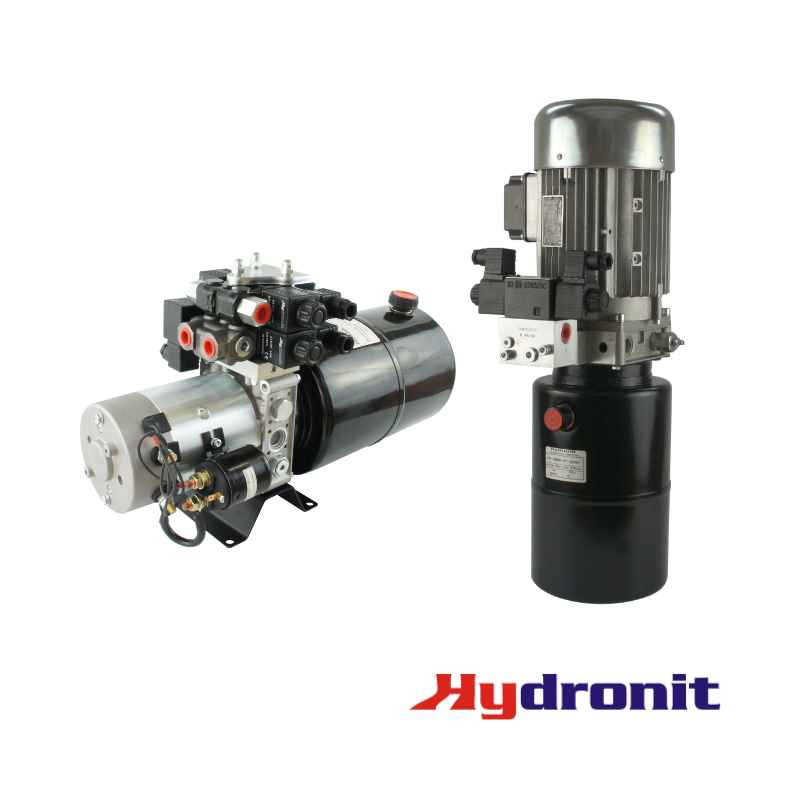
Hydronit components for compact mini power packs, with electric motor, pump, manifold and tank in one assembly: motors, pumps, manifolds, valves, tanks and accessories.
Mini power packs are used on lifting platforms, tipping doors, presses, truck tippers, ramps and small machines. In this section you will find:
- Central and modular manifolds, and spacer elements;
- Cartridge valves: pressure relief, emergency, compensated and non-compensated flow regulators, proportional and solenoid valves, with coils;
- 12 and 24 V DC motors and accessories, such as covers and mounting brackets;
- Suction filters, tanks, plugs and other accessories.
To repair a power pack, the code on the manifold or the unit's label is the best starting point. For cartridge valves, give the cartridge thread (for example 3/4-16 UNF), the function and, for solenoid valves, the coil voltage. To build a new power pack, tell us the flow, pressure, motor type (DC or AC), tank volume and circuit diagram; we will help you choose the parts.
See also NEM cartridge valves and Eurofluid manifolds.
-

Crimping machines
Machines to crimp hydraulic hoses in the workshop or on site: manual machines, which work without electricity using a hand pump, electric workshop machines and a hose cutting machine.
With a crimping machine you make the hose assembly on the spot, without waiting: the hose is cut to length, the fitting and ferrule are fitted and the machine presses the ferrule onto the hose to the right diameter. It is what workshops for agricultural and construction machinery and service vans use.
How to choose:
- Maximum hose diameter the machine can crimp (for example up to 1" or up to 2"), and whether it crimps four- and six-wire hoses;
- Drive: manual (no electricity, for on-site service) or electric (faster, for the workshop);
- Dies: each ferrule diameter uses a set of dies; check that the ones you need are included.
The final crimp diameter comes from the fitting and hose manufacturer's chart. Fittings and hoses are in the Hoses and fittings section. If you do not need a machine, the custom hose assembly delivers the hose already crimped.
-

Industrial consumables
Consumables for assembling and maintaining machines and hydraulic circuits, from Loxeal, Winkel and Tectane: threadlockers and thread sealants, flange sealants, silicones and technical sprays.
- Medium and high-strength threadlockers, so that bolts and nuts do not work loose with vibration;
- Thread sealants and hydraulic sealant for pipe threads;
- Flange sealants, which replace gaskets on machined faces;
- Bearing retainers, for fixing bearings and bushes on shafts and in housings;
- Silicones for gaskets;
- Industrial cleaning, brake cleaner, multi-purpose, copper, freeze and air leak detector sprays;
- Small tools, such as the seal pick set and tape measures.
Anaerobic threadlockers and sealants cure in the absence of air, between metal parts. For good adhesion the surfaces must be clean and dry: a cleaning spray before application makes the difference. High-strength threadlocker may need heat to dismantle; use medium strength when the part has to be undone again.
Note: on threads that seal by cone, washer or O-ring (BSP, JIC, ORFS, DIN metric) no thread sealant is used: the seal is made by the connection itself.
See also Adhesives and silicones.
-

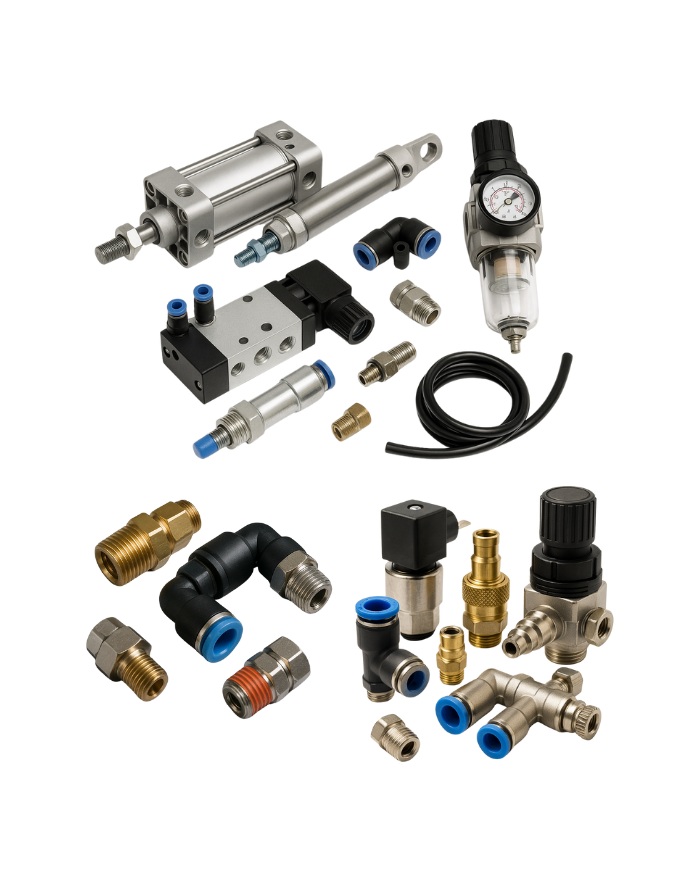
Pneumatics - End of stock
End-of-stock pneumatic items: cylinders, valves, solenoid valves, panel controls, air treatment, fittings, silencers and tubing, from Aircomp, Aignep, E.MC and AirTAC.
They are grouped into cylinders, cylinder and seal kits, cylinder accessories, directional and solenoid valves, manual and mechanical valves, panel controls, coils and connectors, solenoid valves for fluids, air treatment, push-in fittings, brass and compression fittings, flow regulators and check valves, silencers and tubing. Check the thread (G or R), the tube diameter and, on solenoid valves, the coil voltage.
-

MEB electric motors
MEB asynchronous electric motors, three-phase and single-phase, with squirrel cage rotor, totally enclosed and self-ventilated, for continuous duty S1.
Choose the efficiency class, speed, power, frame size and mounting: each combination has its own price and, where MEB supplies it, its dimension drawing.


Are you an OEM? Reseller? Workshop?